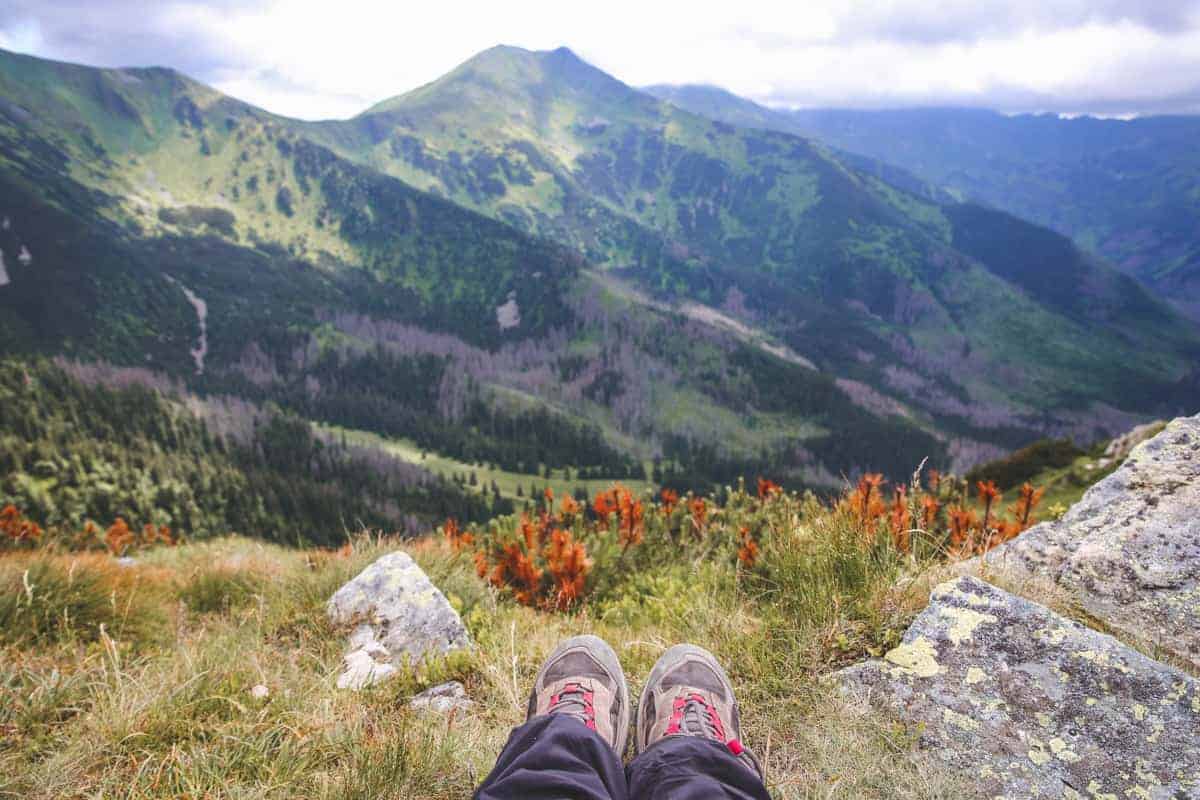

Many people say that “beauty is in the eye of the beholder”. So. determining the most beautiful national parks in the US can be a challenge as definitions of beauty can be subjective. However, with 63 national parks to choose from, there is certainly something for everyone.
Whether you’re an avid hiker, wildlife enthusiast, or simply someone who appreciates the wonder of the great outdoors, these 15 national parks should be on your must-visit list.
And for those who are passionate about these natural wonders, we’ve also put together a list of the best gifts for national park lovers” to enhance your park experiences.
This list highlights various landscapes within the parks across the US as each offers something special and uniquely pretty. Make sure to keep reading to see if your favorite park made the list.
15 Most Beautiful National Parks in the USA
1. Acadia
Acadia National Park features a diverse landscape that includes rugged coastlines, peaceful forests, mountains, lakes, and ponds. For many people, it is the quintessential landscape of coastal Maine and a beloved destination in the eastern United States.
It is also one of the most frequently visited national parks due to its beautiful scenery and excellent hiking opportunities.
Some of the most beautiful areas in the park include Jordan’s Pond, Cadillac Mountain, Bass Harbor Head Lighthouse, and Sur de Mont Springs. Each of these sections of the park offers a different atmosphere and ecosystem.
Highlights
When visiting the park, guests will want to take advantage of the many carriage roads and explore them on bikes or through a horse-drawn carriage ride. They also make for excellent and mostly easy hikes.
While on the subject of hiking, make sure to walk around Jordan’s Pond for beautiful lake views. If you work up an appetite, stop at the restaurant and visitor center located on-site to try one of the famous popovers.
The park can also be discovered by driving the Park Loop Road. This scenic drive will take you by all the main attractions including Thunder Hole.
Make sure to check the tide schedule and stop by this area at high tide to hear the waves crashing into the hollowed-out area along the shore which creates a booming sound that resembles thunder.
Location: Bar Harbor, Maine
This more than 48,000-acre park is situated over Mount Desert Island, the Schoodic Peninsula, Isle Au Haut, and many smaller coastal islands.
Best Time to Visit
The peak season at Acadia National Park is from mid-June through mid-October. During this time, the park can be crowded and accommodations can be expensive. Spring and Fall may have fewer people and provide the benefits of being able to see wildflowers and fall foliage.
How to Get to the Park
The closest major airport to Acadia National Park is Bangor International Airport (BGR), which is about an hour’s drive away. Alternatively, you can fly into Hancock County-Bar Harbor Airport (BHB), which is located on Mount Desert Island and offers seasonal flights.
Where to Stay
Most people choose to stay in Bar Harbor which offers several hotel options as well as beautiful bed and breakfasts, many of which are in former mansions.

2. The Smoky Mountains
The Smoky Mountains are known for their “smoky” appearance, which is caused by water vapor rising from the forest canopy.
In addition to this unique effect, the park also boasts stunning vistas, dense forests, and cascading waterfalls. In fact, there are over 100 named waterfalls in the park, with some of the most popular being Abrams Falls, Laurel Falls, and Rainbow Falls.
Highlights
Visiting the Great Smoky Mountains National Park is an unforgettable experience with many highlights to enjoy. Drives like the Newfound Gap Road, the Cades Cove Loop Road, and the Roaring Fork Motor Nature Trail showcase some of the most beautiful areas of the park.
On the other hand, taking one of the many hiking trails allows visitors to get an up-close look at historic homesteads, and waterfalls, and a chance to say they walked part of the Appalachian Trail.
One of the most popular hikes is the climb to Clingman’s Dome, which is a paved (but steep) trail that leads to a high observation tower offering the perfect sunset view over the mountains.
Animal lovers also flock to the area as Great Smoky Mountains National Park is home to an incredible array of wildlife, including black bears, elk, deer, coyotes, and over 200 species of birds. If you plan to visit in June, make sure to look out for the synchronous fireflies that coordinate their light patterns.
Location:
This national park straddles the border between Tennessee and North Carolina and covers a total area of over 500,000 acres.
However, the majority of the park lies in eastern Tennessee. The nearest major cities to the park include Knoxville, Tennessee, and Asheville, North Carolina.
Best Time to Visit
By far the most popular time to visit the Smoky Mountains is summer as this is a great time for hiking. However, each season in the park offers something special for visitors to experience.
Aside from summer, fall is one of the most popular times to come to the park as the mountains burst with vibrant shades of red, orange, and gold.
However, spring is wonderful for viewing wildflowers and bears coming out of hibernation with their cubs, Winter is a quieter time in the park, with fewer visitors and chilly weather but some roads and facilities may be closed during this time.
How to Get to the Park
The closest airport to the Smoky Mountains National Park is McGhee Tyson Airport (TYS), located in Knoxville, Tennessee.
From the airport, it is about a 45-minute drive to the park’s main entrance in Gatlinburg. Alternatively, visitors can fly into Asheville Regional Airport (AVL) in North Carolina, which is about a 1.5-hour drive from the park’s North Carolina entrance.
Where to Stay
From mountain cabins to hotels to campgrounds, there are plenty of places to stay when visiting the smokies. Many people choose to stay in the nearby towns of Gatlinburg or Pigeon Ford which offer easy access and contain attractions and plenty of things to do in their own right.

3. Denali
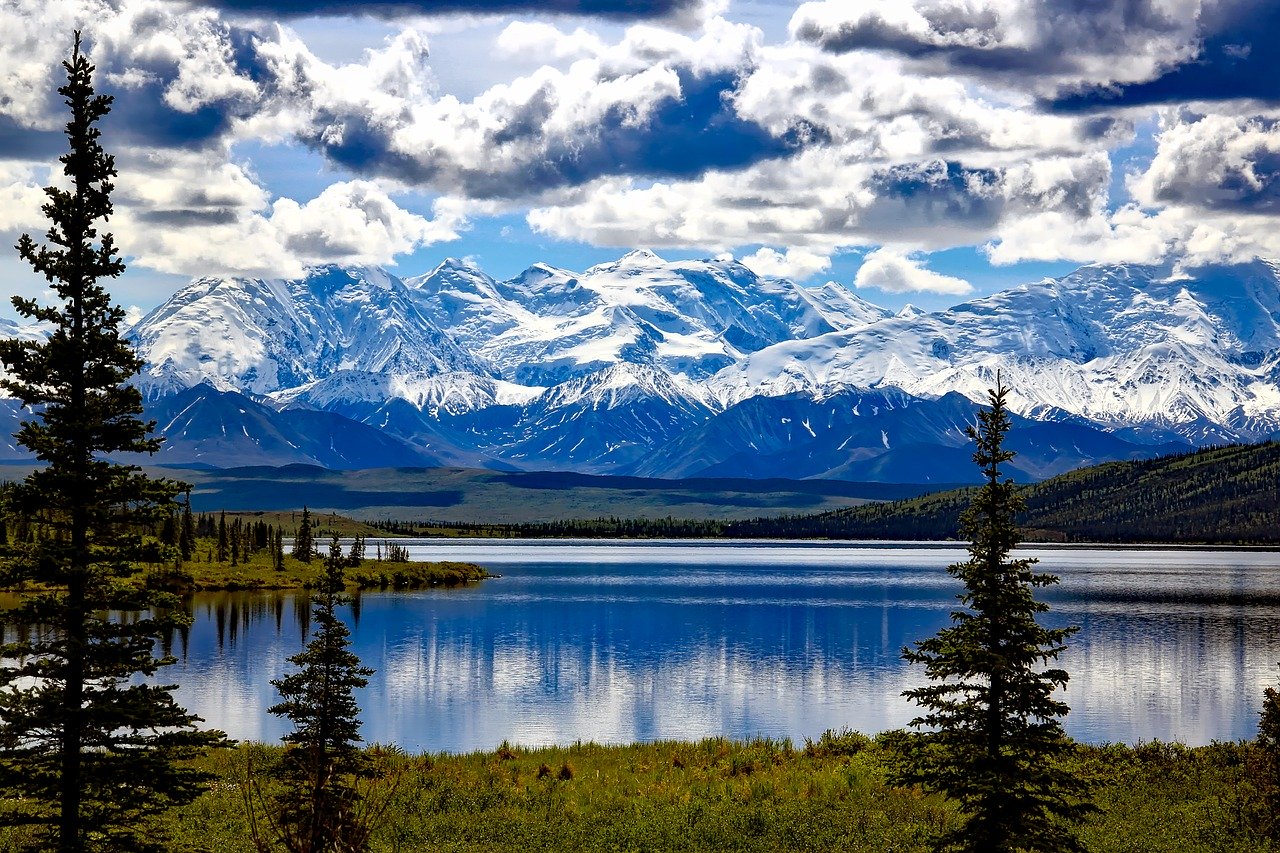
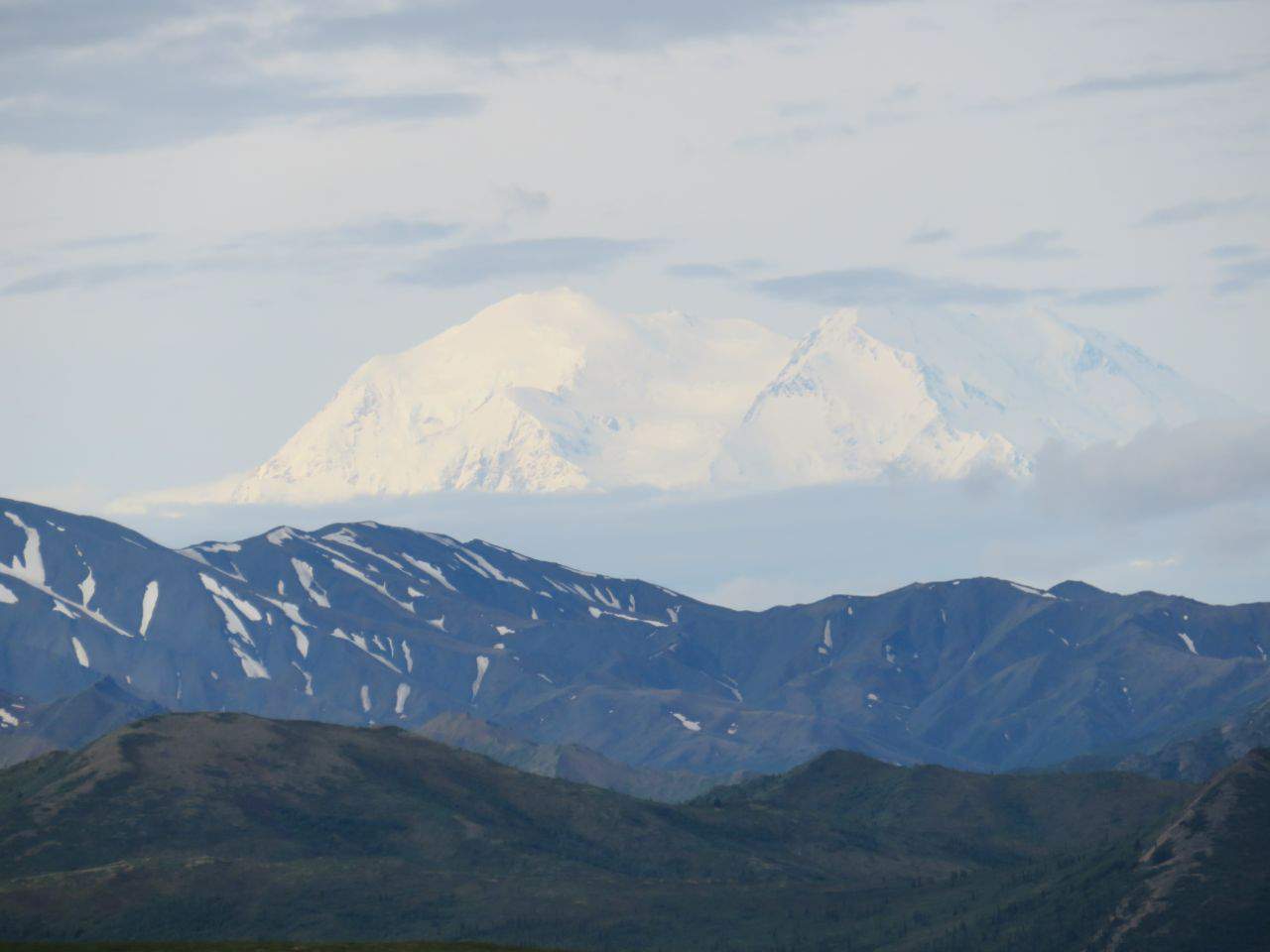
Denali National Park is a must-visit destination for anyone who appreciates the raw, untamed beauty of nature. The park is home to the tallest peak in North America, Mount Denali, which towers at a staggering 20,310 feet.
The rugged, snow-capped mountains provide a majestic backdrop against the clear blue skies, creating a breathtaking panorama that will leave you in awe.
But that’s not all! Denali National Park is also known for its vast wilderness and gorgeous landscapes. The park spans over six million acres, encompassing diverse ecosystems ranging from dense forests to tundra plains. Wildlife enthusiasts will be in heaven as they spot iconic animals roaming freely in their natural habitat.
Highlights
First off, you’ll be blown away by the jaw-dropping scenery. The pristine wilderness of the park, with its untouched valleys, meadows, and rivers, will make you feel like you’re in a postcard-worthy landscape. And the best part?
The chance to spot some incredible wildlife! From grizzly bears and moose to wolves and caribou, you’ll have ample opportunities for wildlife viewing.
The park also offers a variety of outdoor activities for all adventure-seekers. Hiking is a popular option, with trails of varying difficulty levels, allowing you to explore the park’s stunning landscapes up close.
Imagine trekking through alpine tundras, crossing glacial rivers, and taking in panoramic views of the surrounding mountains. If you’re up for a challenge, you can even try mountaineering and backcountry skiing for an adrenaline rush.
Another highlight is the park’s commitment to wilderness preservation. With minimal human development, Denali National Park focuses on minimal-impact practices to protect its environment.
Plus, the park offers educational programs and ranger-led activities that provide insights into its unique ecosystems, wildlife, and cultural history, adding an enriching layer to your visit.
Location:
Located in the state of Alaska, Denali National Park encompasses a vast area in the central part of the state. The park entrance is located about 240 miles north of Anchorage and 120 miles south of Fairbanks and spans over six million acres, making it one of the largest national parks in the US.
Best Time to Visit
If you’re planning a trip to Denali National Park, the best time to visit would definitely be during the summer months, from June to August. This is when the park experiences its peak season, with milder weather, longer days, and the most accessibility to park facilities and activities.
The iconic Denali mountain, also known as Mount McKinley, is more visible during this time, as the skies are often clearer. The temperatures are usually mild, with highs reaching the 60s and 70s Fahrenheit, making it perfect for outdoor adventures like hiking, wildlife viewing, and camping.
Plus, the park is teeming with lush greenery and colorful wildflowers, creating a stunning landscape for photography enthusiasts.
However, keep in mind that mosquitoes can be quite pesky during the summer months, so make sure to pack some bug spray!
How to Get to the Park
Guests wanting to visit the park can fly into either Anchorage or Fairbanks Alaska. From there, you can either rent a car or take a scenic railway ride in a glass-domed train car to reach the area close to Denali National Park.
Where to Stay
The best place to stay would be within the park itself because it allows you to fully immerse yourself in the wilderness and maximize your time for exploring the park’s beauty and wildlife.
The park offers various options, from campgrounds for those who love camping. There are also lodges and hotels a couple of miles outside of the park.
The Riley Creek Campground is a popular choice, located near the park entrance and offering tent and RV camping, as well as amenities like showers and a visitor center. Another great option is the Savage River Campground, located deeper within the park, offering a more secluded experience and stunning views of the surrounding wilderness.
If you prefer a lodge, the Denali Park Village and the Denali Princess Wilderness Lodge are both located near the park entrance and offer comfortable accommodations, dining options, and activities. These lodges provide easy access to park transportation for exploring the park’s interior.
Keep in mind that lodging within the park fills up quickly, so be sure to book well in advance.
4. Yosemite
Yosemite National Park is hands down one of the most beautiful parks in the US. It’s a nature lover’s paradise that boasts awe-inspiring landscapes at every turn.
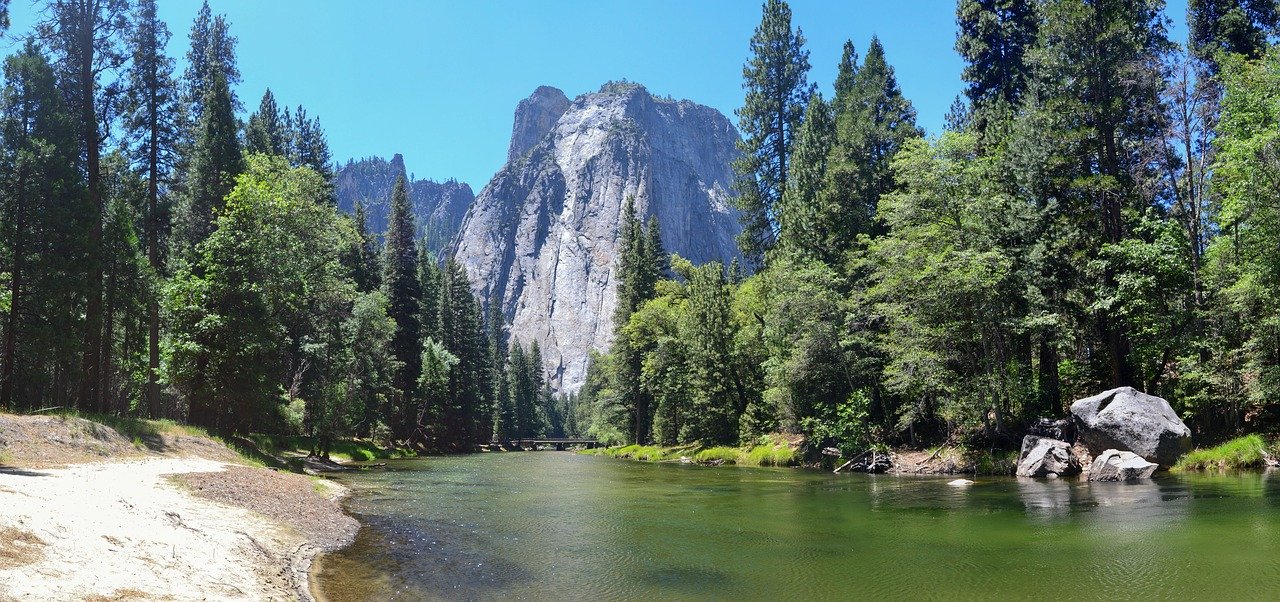
The lush meadows, lakes, and ancient Sequoia grove create a landscape that feels almost otherworldly.
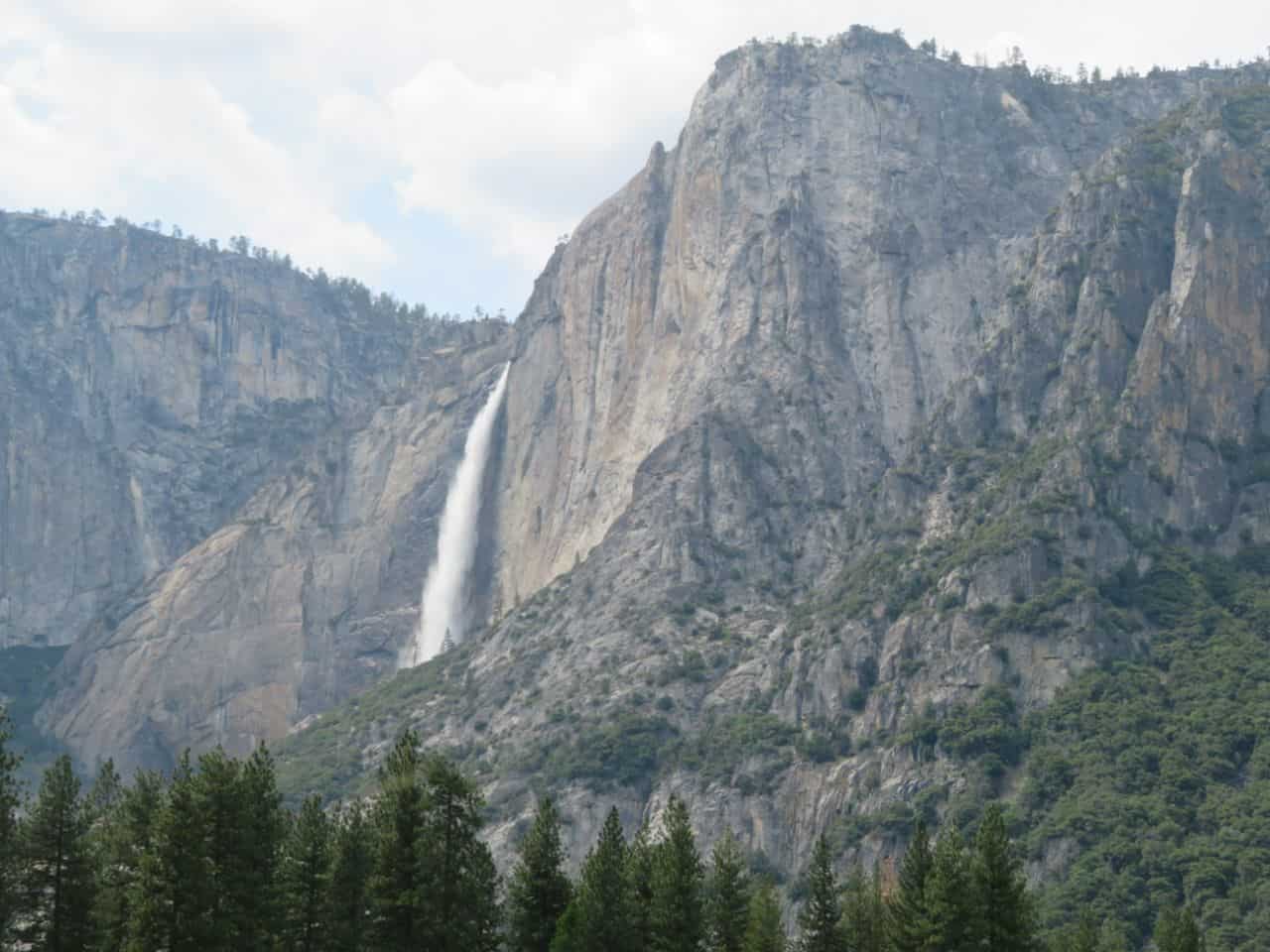
The park is also home to breathtaking waterfalls, such as Yosemite Falls and Bridalveil Falls, that cascade down from granite cliffs, creating a mesmerizing display of natural beauty.
But it’s not just the landscapes that make Yosemite National Park so beautiful, it’s the diverse and abundant wildlife that calls this park home.
From black bears to mule deer, and from rare Sierra Nevada bighorn sheep to elusive mountain lions, Yosemite is a haven for wildlife enthusiasts.
Highlights
When visiting Yosemite, there are a few things that are not to be missed. One of the highlights is hiking up to Glacier Point, where you can get breathtaking panoramic views of the whole valley and the famous Half Dome formation. Another must-see is Yosemite Valley itself, with its meadows, towering sequoias, and iconic cliffs like El Capitan.
You’ll also want to make sure Yosemite Falls is on your itinerary. It’s one of the tallest waterfalls in North America and the mist from it is so refreshing!
And if you’re hoping to see some Sequoia trees, then Mariposa Grove is a must-visit as it has over 500 giant sequoias that are mind-blowingly huge!
Location:
Yosemite National Park is located in California nestled in the Sierra Nevada mountains and spanning over 750,000 acres of stunning wilderness. You’ll find it about 200 miles east of San Francisco and about 300 miles north of Los Angeles.
Best Time to Visit
Ultimately, the best time to visit Yosemite National Park depends on your preferences and interests. Each season offers its own unique charm and opportunities for outdoor adventures, making Yosemite a year-round destination worth exploring.
If you’re a fan of warm weather and vibrant blooms, then spring (April to June) might be the perfect time for you.
During this season, the park comes alive with lush greenery, blooming wildflowers, and rushing waterfalls, creating a picturesque landscape. The weather is usually mild, making it ideal for hiking, camping, and outdoor activities.
However, if you’re seeking warmer temperatures and longer days, then summer (July to September) is the peak tourist season in Yosemite.
With sunny skies and mild to hot temperatures, this is the time when the park offers the most activities and services, including ranger-led programs, campfire talks, and open campgrounds. However, be prepared for larger crowds and increased traffic during the summer months.
For those who prefer cooler weather and fall foliage, autumn (October to November) is a stunning time to visit Yosemite.
The park’s iconic granite cliffs are bathed in warm colors, and the crisp air adds a refreshing touch to the scenery. Fall also brings fewer crowds compared to the summer season, making it a more peaceful time to explore the park.
Make sure you don’t totally rule out a visit to Yosemite in the winter as the park transforms into a winter wonderland, with snow-capped peaks and frost-covered meadows.
If you’re a fan of winter sports like skiing or snowshoeing, Yosemite Valley and Badger Pass Ski Area offer opportunities for winter recreation. However, be aware that some roads and facilities may be closed due to snow during the winter months.
February is also when the famous fire falls can be seen and is a phenomenon where the sunlight reflects off the water to give the illusion that fire cascades over the granite cliffs.
How to Get to the Park
The closest and most popular airports for accessing Yosemite National Park are San Francisco and Fresno. However, some also use Los Angeles depending on their California itinerary.
Where to Stay
Although there are nearby towns you can choose to make your base while exploring Yosemite, they are about two hours away from the park.
To make the most out of your time and for convenience, consider staying within the park itself which offers both camping and lodge options.
5. Yellowstone
Yellowstone National Park is one of the most unique and special places on Earth due to its remarkable natural features, geological wonders, and diverse wildlife.
The park’s incredible landscape offers stunning views of canyons, waterfalls, mountains, and rivers. Yellowstone Lake, the largest high-altitude lake in North America, is also a beautiful feature of the park.
Visitors can hike along the many trails, take a scenic boat ride on Yellowstone Lake, or learn more about the active geological features that make up this beautiful national park.
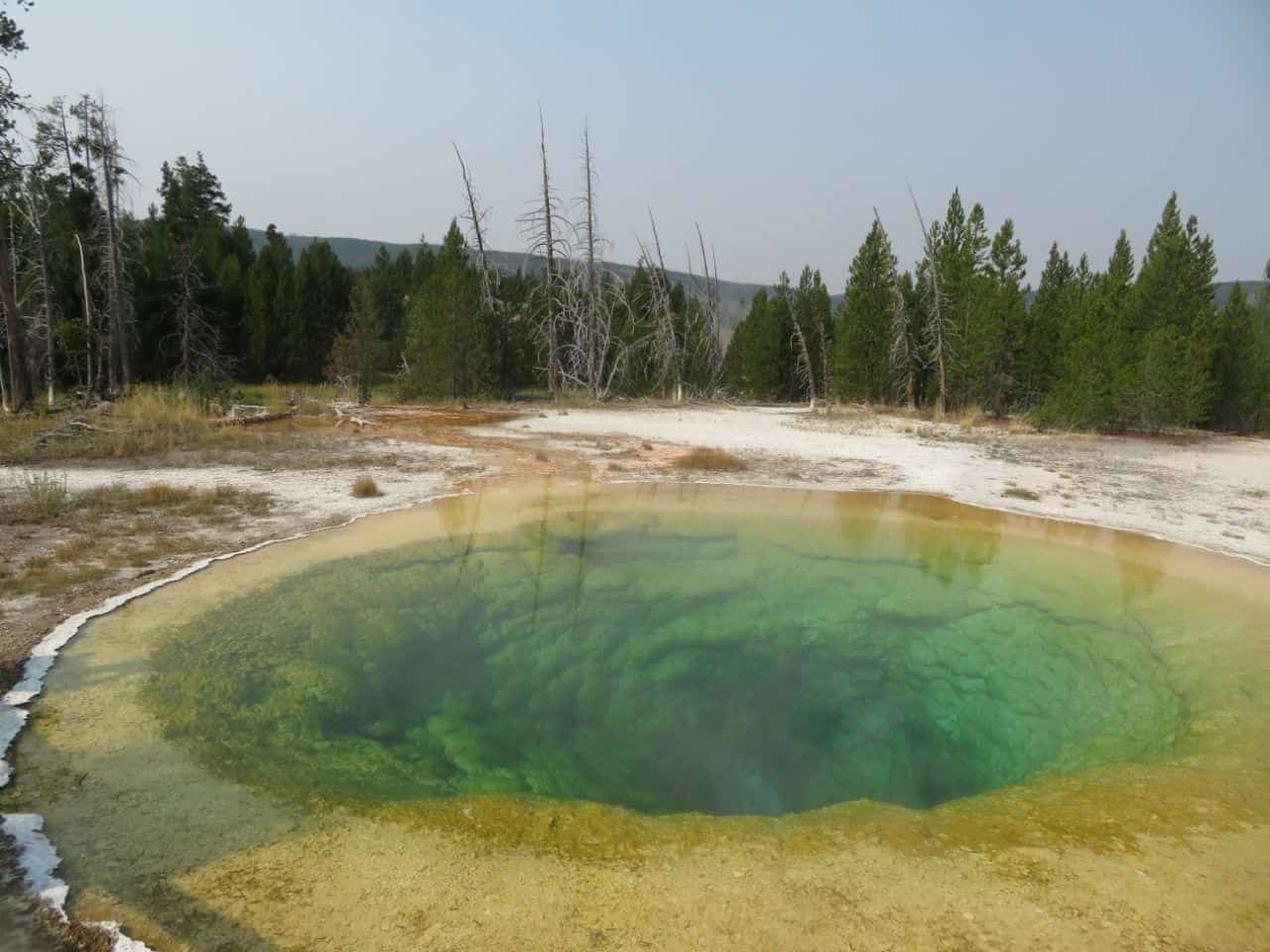
Photographers love visiting Yellowstone to capture the colorful pools and erupting geysers as they take in the ever-changing landscape. Many also hope to catch a glimpse of the resident bison, wolves, grizzly bears, elk, and moose.
Highlights
While the whole park is worth visiting, there are some items that are on everyone’s Yellowstone bucket list. These items include the Old Faithful Geyser, Grand Prismatic Spring, Mammoth Hot Springs, Canyon Falls (both upper and lower), and Lamar Valley (for wildlife viewing).
Location: Yellowstone is a large park that expands across three states including Wyoming, Montana, and Idaho. However, the most popular sections of the park reside in Wyoming.
Best Time to Visit
While summer is the most popular time to visit the park, it also means you will encounter large crowds. On the other hand, taking your trip in late spring or early fall will offer fewer crowds and fairly mild temperatures (which also may mean more wildlife sightings).
Winter will be the least crowded but you will encounter road closures and limited access.
How to Get to the Park
For those who are flying to get to the park, the closest airports are in Jackson Hole WY, and Bozeman MT. Some visitors choose to fly into Salt Lake City, UT, and combine a trip to Yellowstone with some of the national parks in Utah.
Where to Stay
There are several lodges throughout the park as well as some campgrounds. One of the most popular places to stay is the Old Faithful Inn as it is next to the famous geyser for easy early access. For those who wish to stay outside of the park, the town of Cody also has several options.
6. Grand Teton
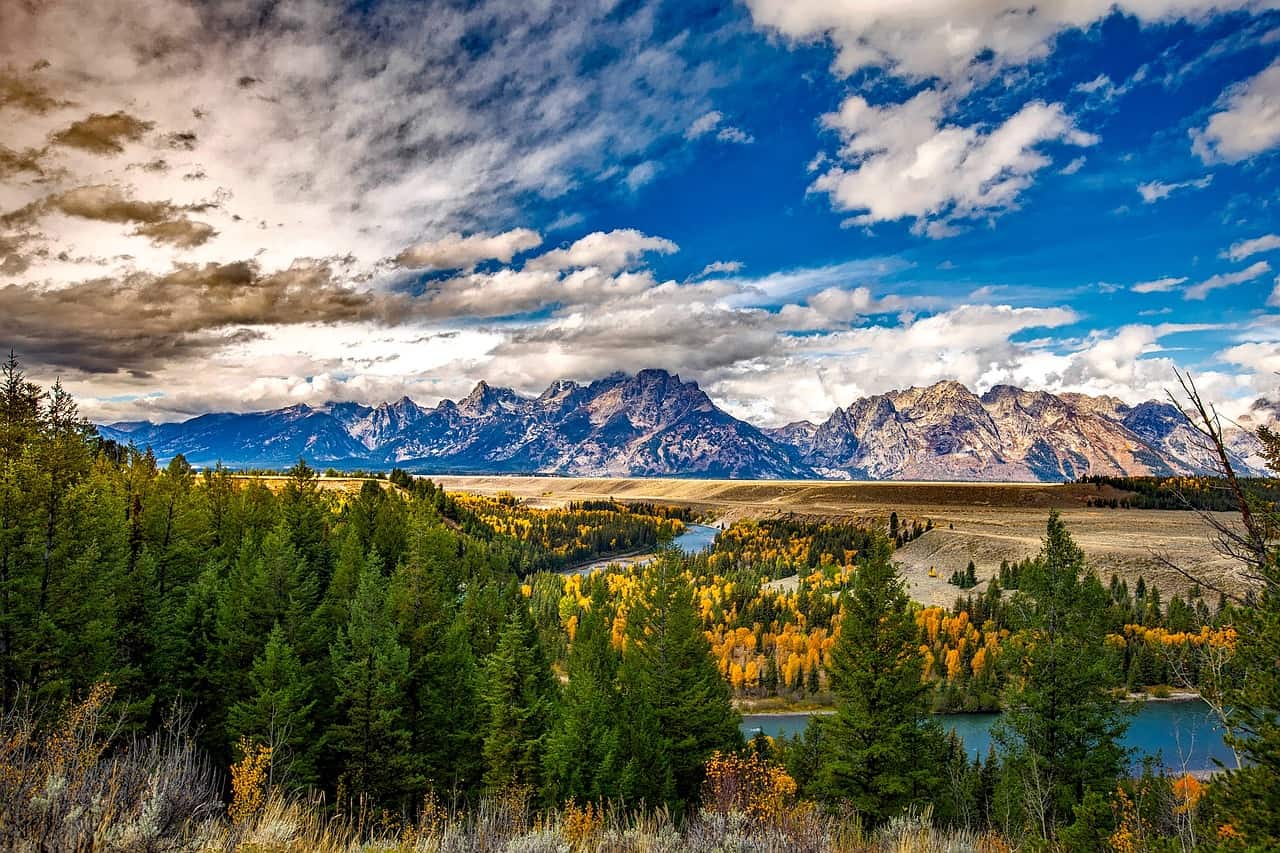
Grand Teton National Park combines stunning snow-capped mountains alongside lakes and lush green valleys. This famous mountain range rises sharply from the valley floor, providing a dramatic and awe-inspiring backdrop for the park’s natural beauty. Their jagged peaks offer breathtaking views and are a paradise for hikers and photographers alike.
Most of the park is made up of the wide valley that lies between the Teton Range and the Gros Ventre Range. This area is surrounded by beautiful features including forests, meadows, and rivers. It is here that the Snake River cuts through the landscape offering plenty of opportunities for amazing photos.
Highlights
Visitors flock to Mormon Row to get that perfect iconic shot of the old wooden cabins at the base of the Teton Mountain Range. Additionally, the Chapel of the Transfiguration is another popular spot as the window above the altar frames the mountains perfectly.
There are also several hikes throughout the park, which range in difficulty, that allow guests to connect with nature and escape some of the crowds.
Some of the most popular hikes are the trails around Jenny Lake and String Lake. Just be on the lookout for the residents of the park which include bears, elk, and moose.
Alternatively, you can also enjoy the scenic drives that offer numerous pull-offs and overlooks which highlight different angles and features that the park has to offer.

Location: Jackson, Wyoming
Best Time to Visit
Similar to Yellowstone, the crowds will be at their peak during the summer. However, early fall is a fantastic time to visit as the park’s aspen trees turn a brilliant yellow, adding a splash of color to the already beautiful landscape.
Additionally, this is rutting season for both moose and elk so you may have a better chance at spotting them.
How to Get to the Park
This is the only national park that actually has an airport within its boundaries. Visitors can easily fly into Jackson Hole Airport and explore from there.
Where to Stay
For guests wanting to stay within the park, there are a couple of different lodges and camping options. However, the nearby town of Jackson also has plenty of options with additional restaurant choices and cute shops.
7. Glacier
Glacier National Park is a true gem that captivates visitors with its breathtaking beauty. The park’s unique landscape, featuring towering snow-capped peaks, alpine lakes, lush forests, and grand glaciers, makes it one of the most picturesque national parks in the United States.
The park’s diverse ecosystems are a sight to behold. From dense old-growth forests of cedar and hemlock to wildflower-filled meadows and serene alpine tundras, Glacier National Park offers a diverse array of landscapes that are home to a wide range of wildlife, including grizzly bears, moose, mountain goats, and elusive wolves.
Wildlife enthusiasts and nature lovers alike can marvel at the park’s biodiversity and have the opportunity to spot some of these magnificent creatures in their natural habitats.
Furthermore, Glacier National Park’s remote and unspoiled wilderness provides a sense of solitude and tranquility that is increasingly rare in today’s world.
Away from the hustle and bustle of modern life, visitors can disconnect from technology and reconnect with nature, allowing for a truly rejuvenating experience.
Highlights
One of the most iconic features of Glacier National Park is its stunning glacially carved landscapes. The park boasts over 700 pristine lakes and more than 50 glaciers, which provide breathtaking vistas at every turn.
Whether you’re hiking along the famous Going-to-the-Sun Road, exploring the alpine meadows, or embarking on a thrilling backpacking adventure, you’ll be treated to jaw-dropping panoramic views of jagged peaks, shimmering lakes, and dense forests that make Glacier National Park a true natural wonderland.
Additionally, if you’re an outdoor enthusiast, Glacier National Park offers an array of recreational activities to suit any adventurer. From hiking to fishing, camping to horseback riding, and even whitewater rafting, there’s something for everyone.
The park’s extensive trail system offers countless opportunities for hiking, ranging from easy strolls to challenging backcountry treks.
Another highlight of Glacier National Park is its dark skies. With limited light pollution, the park is an ideal location for stargazing.
On clear nights, you can witness a breathtaking display of stars, constellations, and even the Milky Way, making for an unforgettable celestial experience.
Location:
Glacier National Park is located in the northwest corner of the state of Montana. It is situated along the Montana-Canada border, sharing a boundary with Waterton Lakes National Park in Alberta, Canada.
The park covers an area of over 1 million acres and is nestled within the rugged Rocky Mountains.
Best Time to Visit
Summer, from June to September, is the peak season in Glacier National Park, with warm temperatures and most of the park accessible. This is the time when the famous Going-to-the-Sun Road, which traverses the park and offers stunning panoramic views, is fully open. Wildlife is also abundant during this time, with opportunities to spot bears, elk, and other animals.
However, fall, from September to October, is another beautiful time to visit Glacier National Park. The crowds begin to thin out, and the autumn foliage paints the landscape in vibrant colors, creating a picturesque setting for hiking and photography.
The weather may be cooler, but it can still be pleasant, and you may even catch the tail end of the summer wildflowers.
Plan to visit in spring if you’d like to see the waterfalls at their peak. Just know that some roads and facilities may still be closed during this time.
How to Get to the Park
The nearest major city to Glacier National Park is Kalispell, Montana, which is approximately 30 miles to the south of the park’s entrance. However, many visitors combine trips to Glacier National Park with Yellowstone and Grand Tetons.
As a result, you can fly into either Jackson Hole or Bozeman Montanna to add additional scenery and experiences to your trip.
Where to Stay
One of the most iconic places to stay in Glacier National Park is the Many Glacier Hotel. Located on the shores of Swiftcurrent Lake, this historic lodge offers stunning lake and mountain views and provides a rustic, yet elegant, atmosphere.
If however, you plan to stay outside of the park, there are also nearby towns and communities, such as Whitefish and Kalispell, that offer various hotels, motels, and vacation rentals for visitors.
8. Zion
Zion National Park is widely regarded as one of the most beautiful national parks in the United States, and for good reason.
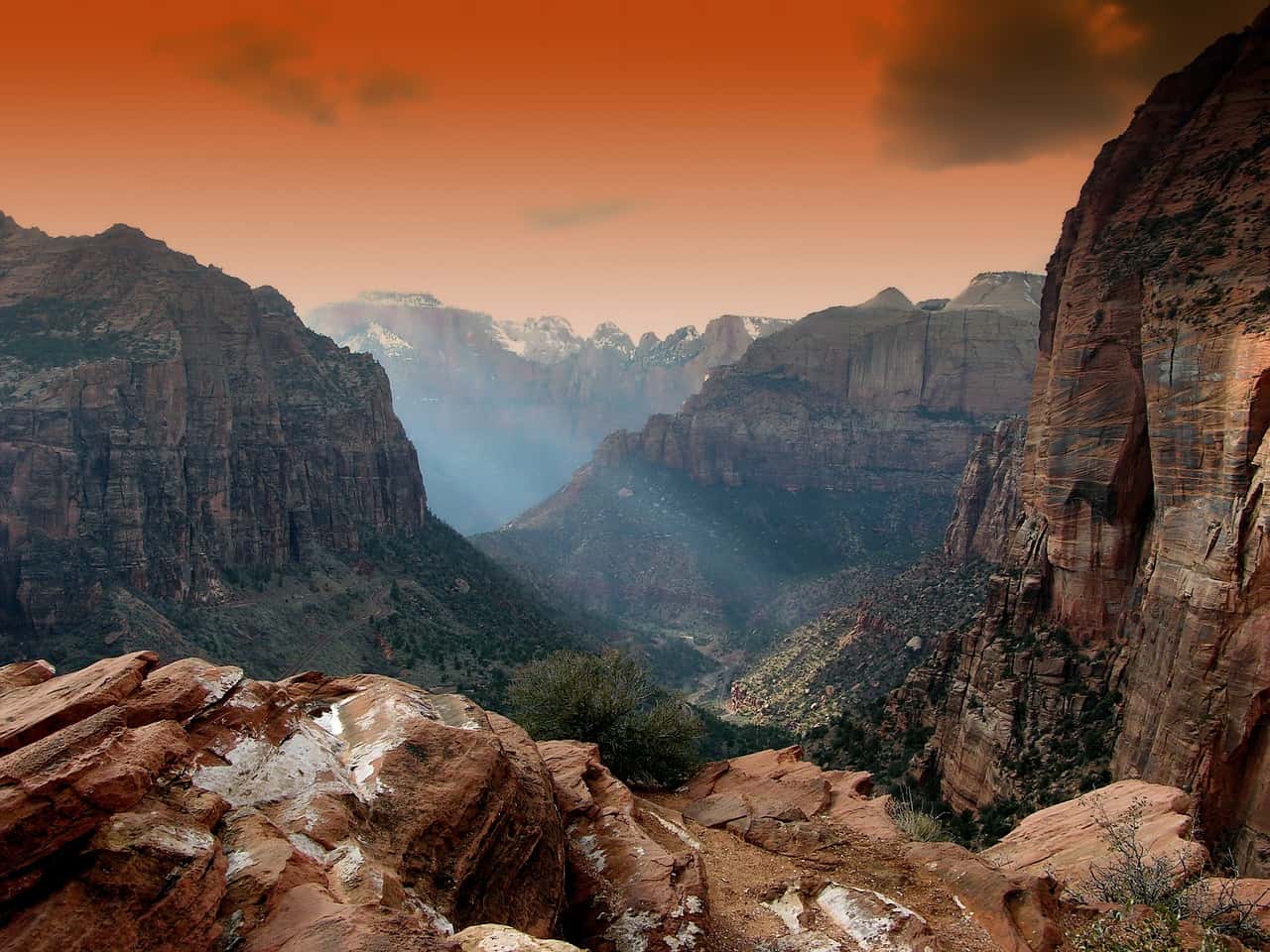
This breathtaking park located in southwestern Utah boasts a unique and awe-inspiring landscape that captivates visitors with its stunning red rock cliffs, deep canyons, and lush vegetation.
The park is characterized by towering sandstone cliffs that have been eroded over millions of years by the Virgin River, creating a dramatic and otherworldly landscape.
The red and orange hues of the sandstone cliffs against the blue skies create a striking contrast that is simply mesmerizing.
Highlights
The park is famous for its narrow slot canyons, such as the renowned Zion Narrows. These narrow canyons with their soaring walls provide a unique and immersive hiking experience.
Walking through the narrow, winding canyons with the sun filtering through the cracks in the cliffs above is a truly magical experience that makes Zion National Park stand out among other national parks in the U.S.
For many visitors, another highlight of the park is hiking the Angels Landing Trail. This challenging trail ascends along a series of switchbacks, known as Walter’s Wiggles, that lead hikers to the ridge of Angels Landing.
The trail then continues along a narrow and exposed ridge with sheer drop-offs on either side, providing an adrenaline-pumping experience for adventurous hikers.
Chains have been installed along the trail to provide support and safety for hikers as they navigate the narrow sections and steep drop-offs.
Location:
Zion National Park is located in southwestern Utah. It is situated in the southwestern part of the state, near the town of Springdale.
Best Time to Visit
If you love mild weather and vibrant colors, then spring (March to May) is a fantastic time to visit Zion National Park. The wildflowers are in full bloom, and the weather is usually pleasant, with average daytime temperatures ranging from the 60s to 80s Fahrenheit.
Spring also offers fewer crowds compared to the peak summer season, which means you can enjoy the park’s trails and attractions with less hustle and bustle.
How to Get to the Park
The nearest major airports are McCarran International Airport (LAS) in Las Vegas, Nevada, and Salt Lake City International Airport (SLC) in Salt Lake City, Utah.
Most visitors will fly into either one of these airports and combine their trip to Zion with the Grand Canyon and/or the other four national parks in Utah.
Where to Stay
With its prime location, comfortable accommodations, and unique atmosphere, Zion Lodge is often considered the best place to stay for an unforgettable experience when visiting Zion National Park.
This lodge offers a unique and immersive experience, allowing you to fully appreciate the park’s natural beauty by experiencing the tranquility and serenity of the canyon after the day visitors have left.
9. Carlsbad Caverns
While Carlsbad Caverns may not be one of the first parks that comes to mind when listing the most beautiful parks in the US, it is perfect for enthusiasts seeking natural beauty.
This park stands out for its unparalleled underground wonders with a vast network of underground limestone caves known for their stunning formations.
Beyond its subterranean wonders, the park also offers stunning above-ground vistas as well. The rugged desert landscape, with its unique flora and fauna, creates a striking contrast to the underground beauty.
Visitors can explore hiking trails that lead to captivating viewpoints, providing panoramic views of the surrounding Guadalupe Mountains and the vast desert terrain.
Highlights
The park’s primary attraction, the Big Room, is the largest underground chamber in North America, featuring a ceiling that soars over 250 feet high and a floor space that covers more than 8 acres.
Visitors are mesmerized by the intricate stalactites, stalagmites, columns, and draperies, all dramatically illuminated to highlight their natural splendor.
Moreover, Carlsbad Caverns National Park is renowned for its extraordinary bat flights. Each evening, from May to October, thousands of Mexican free-tailed bats emerge from the caves in a remarkable spectacle as they embark on their nightly hunt.
Witnessing this mass exodus of bats against the backdrop of the desert sunset is an experience like no other, making it a must-see event for nature lovers.
Location:
Carlsbad Caverns National Park is situated in the southeastern part of New Mexico, near the town of Carlsbad.
How to Get to the Park
The nearest major airport to Carlsbad Caverns National Park is the Cavern City Air Terminal (CNM) in Carlsbad, New Mexico. From there, you can rent a car and drive to the park, which is approximately a 20 to 30-minute drive away.
However, if you prefer to fly to a larger airport, then Albuquerque, New Mexico, or El Paso, Texas are your best bets.
Best Time to Visit
Autumn brings a sense of magic to Carlsbad Caverns. The weather is comfortably cooler than the scorching summer months, making it perfect for hiking and outdoor activities without the extreme heat.
The fall season also coincides with the impressive bat migrations, which peak in late September. Witnessing thousands of bats emerging from the cave at dusk is a mesmerizing spectacle you won’t want to miss.
Additionally, the crowds tend to thin out compared to the summer, allowing you to enjoy the underground wonders and hiking trails with more solitude and a deeper connection to nature.
Where to Stay
Unfortunately, there is no lodging or campgrounds in the park itself (only primitive camping which requires a fee). Instead, you can find both hotels and campgrounds in the nearby towns of Carlsbad and White’s City, New Mexico.
Another alternative (if you plan to also visit Guadalupe National Park) is to camp within that park and make a day trip to Carlsbad Caverns.
10. Haleakala
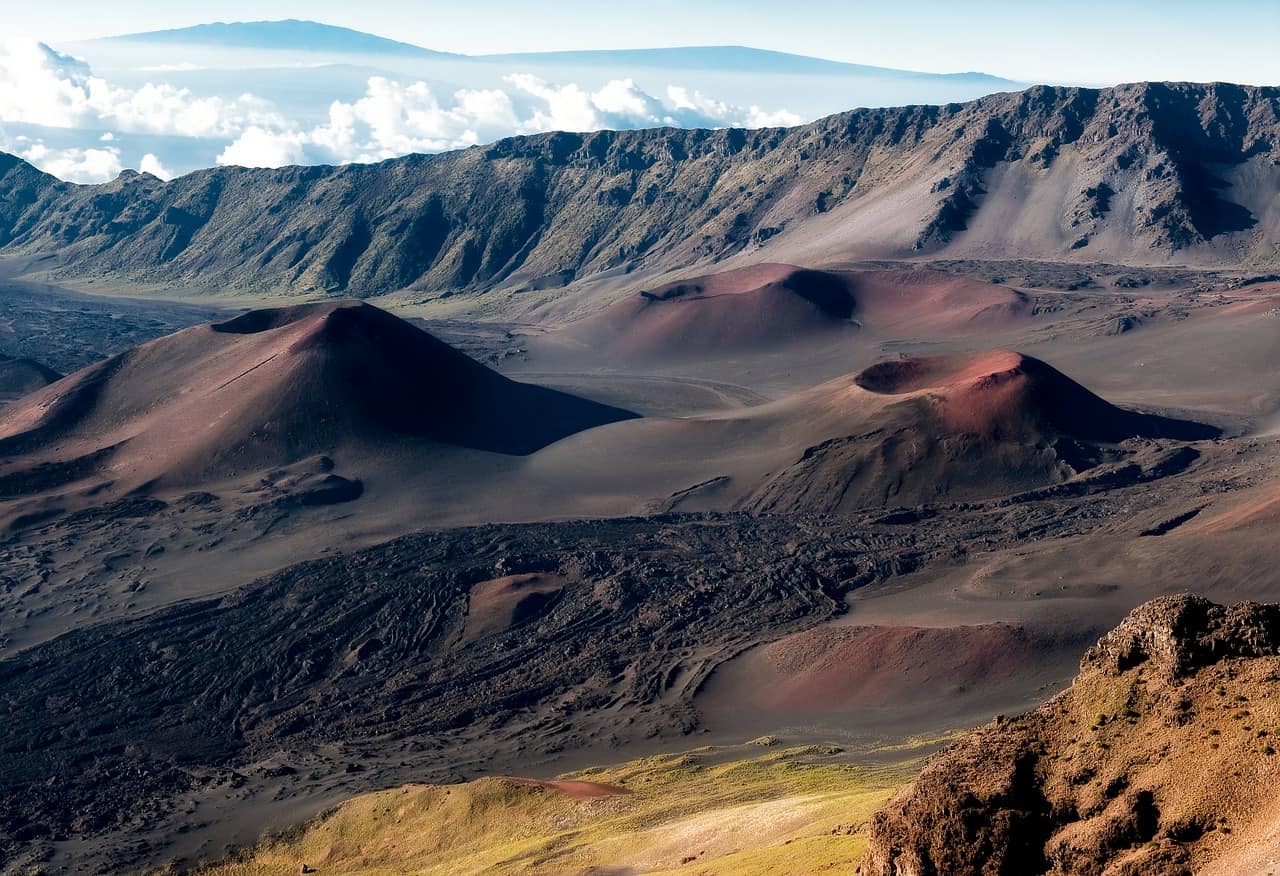
Haleakala National Park is a stunning natural wonder located on the Hawaiian island of Maui. The park is home to the dormant Haleakala volcano, which rises over 10,000 feet above sea level and is surrounded by a diverse landscape of mountains, craters, and valleys.
Visitors can ascend to the summit to see the colors and sculpted landscape of this impressive crater.
It is a relatively large park covering an area of 33,265 acres which is divided into two different sections: the summit area and the Kipahulu area.
The summit area is located at the top of the volcano and includes the park’s most popular attractions, including the Haleakala Crater and the Sliding Sands Trail.
On the other hand, the Kipahulu area is located along the coast and is known for its waterfalls, pools, and scenic hiking trails.
Highlights
Haleakala is one of the best places in the world to witness a breathtaking sunrise or sunset. Visitors can drive up to the summit of the volcano early in the morning or in the evening to watch the sun rise or set over the Pacific Ocean.
In fact, watching the sunrise is so popular that the park had to implement a reservation system, so unless you’re on a tour, you will need to plan in advance for this activity.
Similarly, the Haleakala Summit is also an excellent area for stargazing. Since Haleakala is located far away from any major cities or urban areas, there is very little light pollution in the park.
This allows visitors to see the stars and constellations more clearly than they would be able to in many other places. Sometimes there are also ranger-led stargazing programs.
Alternatively, in the Kipahulu section of the park, the Pipiwai Trail is a wonderful way to spend some time. This moderately difficult trail has some steep inclines and rocky terrain, but the breathtaking scenery and stunning waterfall views make it well worth the effort.
Along the way, you’ll pass a variety of natural wonders, including a massive banyan tree, a bamboo forest with towering bamboo stalks, and Makahiku Falls before you reach the stunning 400-foot Waimoku Falls.
Location: Maui, Hawaii
Best Time to Visit
The busiest time of year is typically from mid-December through early January, as well as during the summer months when school is out. If you want to avoid the crowds, consider visiting in the spring or fall, when the park is generally less busy.
How to Get to the Park
Once you’re on the island of Maui, you have two options for visiting Haleakala National Park. First, you can drive yourself. The road to the summit is winding and can be steep, however, it is possible in a regular vehicle
The other option is taking a tour and there are several available depending on your interests. The more adventurous can choose a biking tour while those who just want to enjoy the scenery can pick from sunrise, sunset, or day tours.
It should be noted however, that tours typically only visit the summit and if you want to enjoy the other section of the park, it’s best that you drive yourself.
Where to Stay
The are few choices for visitors who want to stay within the park and these involve camping and rustic cabins. Both of which require hiking to access.
Your best bet is to stay in a hotel or condo outside of the park on the island of Maui. Lahaina is the main tourist area and offers a plethora of options. However, towns such as Kihei still offer condo options while being a bit less touristy.
11. Grand Canyon
The Grand Canyon, without a doubt, stands as one of the most awe-inspiring and beautiful national parks in the United States, if not the entire world.
Its sheer magnitude is staggering, stretching over 270 miles in length and plunging to depths of up to a mile.
What sets the Grand Canyon apart is its incredible geological history, where the Colorado River has sculpted and painted the earth over millions of years.
The layers of rock reveal a mesmerizing palette of colors, from rich reds and oranges to deep purples and browns, creating a visual spectacle at every turn.
Highlights
Visiting Grand Canyon National Park is an experience filled with unforgettable highlights that leave a lasting impression on all who visit.
One of the most iconic moments is standing at the rim’s edge, where you can peer into the vast expanse of the canyon, taking in the breathtaking vistas that stretch as far as the eye can see.
Furthermore, sunrises and sunsets at the Grand Canyon are truly magical, as the changing light paints the rock formations with a kaleidoscope of colors.
Exploring the park’s extensive trail system is another highlight, with options ranging from easy, family-friendly walks along the rim to challenging backcountry hikes that descend into the canyon’s depths.
Hiking enthusiasts will revel in the opportunity to venture below the rim, perhaps even reaching iconic destinations like Phantom Ranch or Plateau Point.
However, for the most thrilling experiences, make sure to experience the canyon from both above and below. Helicopter rides allow visitors to see parts of the canyon you can’t see from the overlooks and will provide a new understanding of its impressive size.
Alternatively, a rafting trip down the Colorado River offers an immersive experience, allowing you to witness the canyon’s towering walls from a completely different angle.
Location:
Grand Canyon National Park is located in the northwestern part of the state of Arizona.
The park’s main entrance and visitor centers are typically accessed from several key points along the South Rim, which is the most popular and easily accessible area for visitors.
The North Rim, on the other hand, is less accessible due to its higher elevation and seasonal closures but offers a quieter and more remote experience.
How to Get to the Park
The nearest major airports to the South Rim of the Grand Canyon are Flagstaff Pulliam Airport (FLG) in Flagstaff, Arizona, and Grand Canyon National Park Airport (GCN) near Tusayan, Arizona. From these airports, you can rent a car or take shuttle services to the Grand Canyon.
Best Time to Visit
The optimal time is during the late spring (April to June) and early fall (September to October). During these months, the weather is generally pleasant, with mild daytime temperatures, comfortable hiking conditions, and cooler evenings.
The crowds are also more manageable than in the peak summer months, allowing you to enjoy the park’s natural beauty with fewer people
However, if you’re interested in specific experiences like whitewater rafting on the Colorado River or stargazing, you may want to plan your visit accordingly, as these activities have their own seasonal considerations.
Where to Stay
There are several lodges within the park where visitors can stay to make the most out of their time. Alternatively, if you prefer to camp, there are several to choose from. Some of them are open all year round while others are only seasonal.

12. Arches
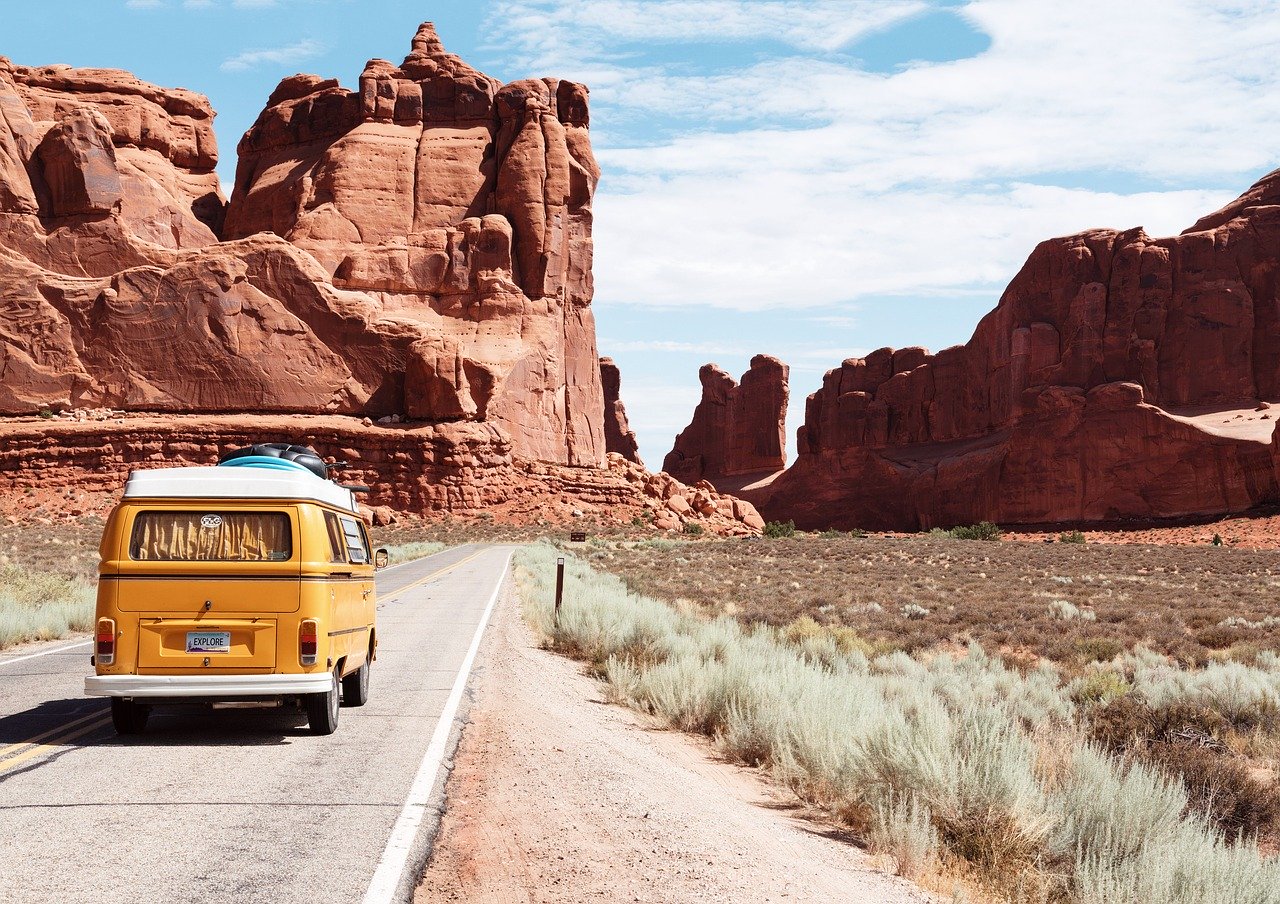
Arches National Park is home to over 2,000 natural sandstone arches, as well as other unique rock formations, spires, and balanced rocks. These formations were created over millions of years by the erosion of the sandstone by wind and water.
One of the most famous arches in the park is the Delicate Arch, which is an iconic symbol of Utah and is featured on the state’s license plate.
The arch stands alone on a slick rock bowl, and at sunset, the light illuminates it in a warm glow, making it a popular spot for photographers and hikers. Sunrise is also a popular time to visit and offers beautiful views.
Highlights
Aside from the delicate arch trail, there are a variety of other hiking trails that offer visitors a chance to explore the unique landscape up close. The trails range in difficulty from easy to strenuous, and some of them lead to lesser-known arches and viewpoints.
There is also a wonderful drive through the park that takes you to various overlooks. This is a perfect option for people with less mobility who would still like to enjoy all that the park has to offer.
At one of the stops, a short walk on a level path will lead you to an old cabin of an early settler and a chance to see petroglyphs on the rocks from the Native Americans that once inhabited the area.
Location: The park is about 5 miles from Moab, Utah
Best Time to Visit
Generally, the best time to visit Arches National Park is in the spring (March to May) or fall (September to November) when temperatures are mild and crowds are smaller.
During the spring, temperatures range from the mid-50s to the mid-70s Fahrenheit, making it ideal for hiking and outdoor activities. Additionally, the wildflowers in the park are in bloom during this time, which adds to the park’s beauty.
How to Get to the Park
Many visitors choose to fly into Salt Lake City airport and combine Arches National Park with some of Utah’s other parks.
However, if you are short on time and want to specifically go to Moab, you can fly into Canyonlands Field Airport. This is a smaller airport but is serviced from either Salt Lake City or Denver.
Where to Stay
Unless you want to camp at the one campground within the park (that has extremely basic features, i.e. no water or electricity), then plan to stay in the nearby town of Moab.
Moab offers several hotels and camping options to choose from along with restaurants. It is the perfect town for not only exploring Arches but other popular attractions nearby such as Dead Horse State Park and Canyonlands National Park.
13. Olympic
What sets this park apart is its remarkable diversity of ecosystems and landscapes, all within one park’s boundaries.
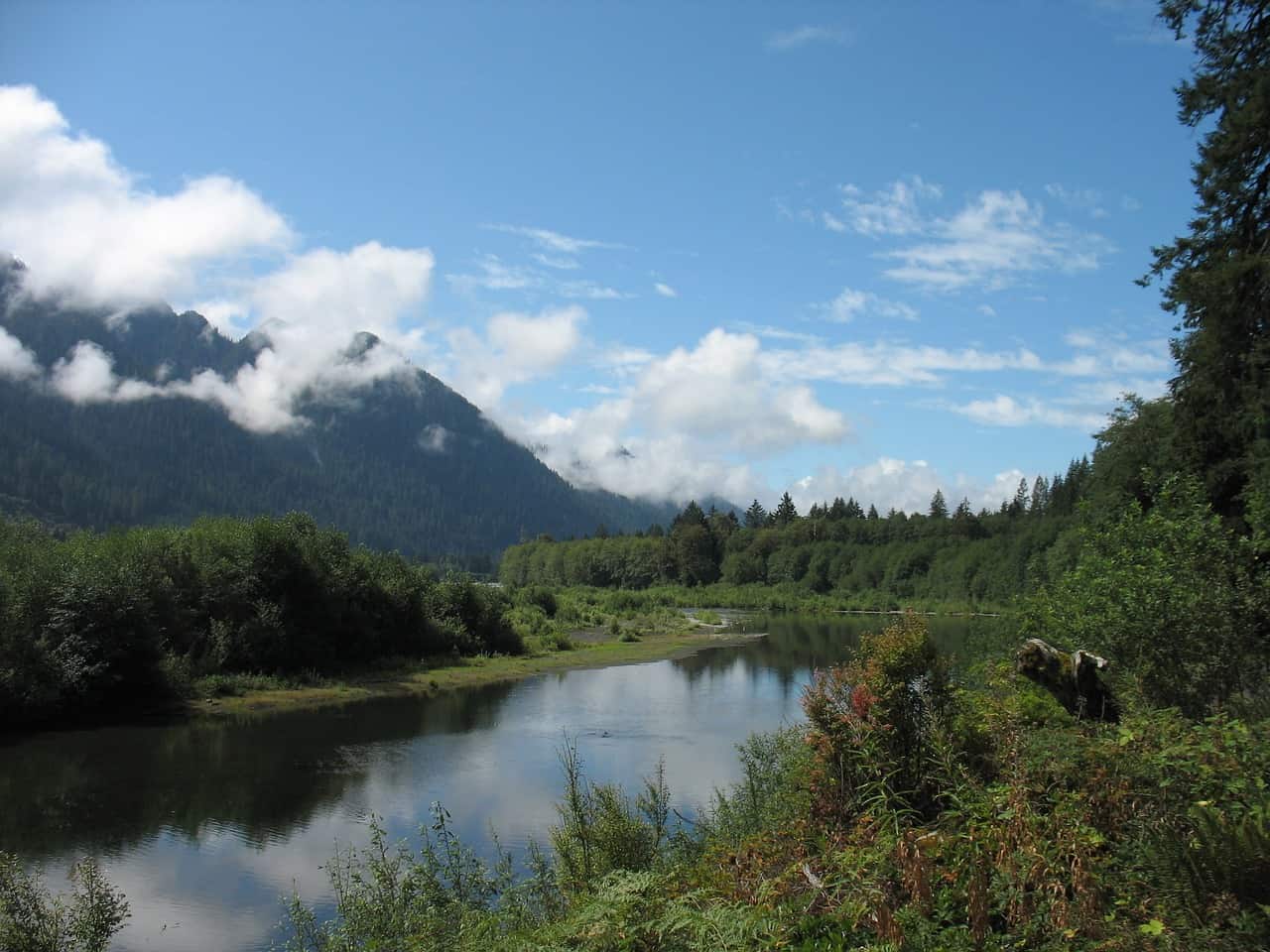
Within the vast expanse of Olympic National Park, you’ll find lush temperate rainforests, a rugged Pacific coastline, towering snow-capped mountains, and pristine alpine meadows.
Olympic National Park is designated as an International Biosphere Reserve, highlighting its ecological significance.
It’s this remarkable blend of diverse ecosystems, awe-inspiring scenery, and rich biodiversity that makes Olympic National Park an absolute must-visit for anyone seeking the best of America’s natural beauty.
Highlights
One of the standout features of this park is the Hoh Rainforest, a lush and enchanting temperate rainforest where moss-draped trees and fern-covered forest floors create a magical atmosphere.
Walking through this emerald wonderland is an otherworldly experience.
Another major highlight is the dramatic seascapes, sea stacks, and tide pools along the Pacific shorelines offer fantastic opportunities for photography and exploration.
Ruby Beach and Rialto Beach are popular spots for witnessing the power and beauty of the ocean meeting the land.
Finally, Olympic National Park is also renowned for its mountainous terrain. The Olympic Mountains, with Mount Olympus as their centerpiece, beckon hikers and backpackers to explore their pristine alpine meadows, glaciers, and rugged peaks.
The Hurricane Ridge area provides easy access to stunning panoramic views and is particularly popular in the summer and winter for outdoor activities like hiking and snowshoeing.
Location:
Olympic National Park is located in the state of Washington. It covers a large portion of the Olympic Peninsula in the northwestern part of the state.
How to Get to the Park
The nearest major airport to Olympic National Park is Seattle-Tacoma International Airport (SEA), which is located in Seattle, Washington.
From the airport, you can rent a car or take a shuttle to reach the park, or you may opt for a connecting flight to smaller airports closer to the park, such as William R. Fairchild International Airport in Port Angeles.
Best Time to Visit
Generally, the most popular time to visit is during the summer months, from late June to early September.
This period offers pleasant weather with warm temperatures, making it ideal for hiking, camping, and exploring the park’s coastal and mountain regions.
The wildflowers are also in full bloom, and wildlife is active during this time, providing excellent opportunities for photography and wildlife viewing.
Where to Stay
When visiting Olympic National Park, the best approach for lodging is to stay in multiple locations throughout your visit, as the park is quite vast and diverse.
This allows you to experience various ecosystems and attractions within the park without spending excessive time driving.
Some popular towns to base yourself on for your visit to the park include:
- Port Angeles
Port Angeles is a popular gateway to Olympic National Park, and it offers a range of lodging options, including hotels, motels, and vacation rentals. It’s a convenient base for exploring the northern and central parts of the park. From here, you can visit Hurricane Ridge, Lake Crescent, and the Elwha Valley.
- Forks
Located on the western side of the park, Forks is an excellent place to stay if you want to explore the Hoh Rainforest and the coastal areas of the park. The Hoh Rainforest Visitor Center and Rialto Beach are not far from Forks.
- Port Townsend
If you plan to explore the northeastern part of the Olympic Peninsula and also enjoy the charming town of Port Townsend, consider staying here. It’s not directly in the park but provides access to areas like Hurricane Ridge, Dungeness Spit, and the nearby San Juan Islands.
14. Great Sand Dunes
Great Sand Dunes National Park is special because it is home to the tallest sand dunes in North America, towering over 750 feet high.
These sand dunes were formed by wind and water eroding the surrounding mountains and depositing the sand in the valley below.
It is a very beautiful area as the mountains are the perfect backdrop to the sand dunes and give you a sense of scale.
Additionally, the way the light changes as the day goes on highlights different features of the sand and creates interesting shadows that are perfect for photographs.
Highlights
The park has several hiking trails that lead visitors through the sand dunes and offer stunning views of the surrounding mountains. One of the most iconic hikes is ascending to the top of the dunes.
Just make sure to do this early in the day when the sand is cooler. Alternatively, guests with four-wheel drive vehicles can go off-roading to see the park from different angles.
However, the most popular activity at the park is sandboarding and sand sledding, which are fun activities for visitors of all ages.
There are several rental shops just outside of the park where you can get the necessary gear and tips or tricks to make the most out of your experience.
Location: The closest town is Alamosa, Colorado
Best Time to Visit
The park can be crowded during peak season (June-August) and on weekends. If you prefer to visit with fewer people around, consider coming during the shoulder season (April-May and September-October) or during the week.
How to Get to the Park
The closest major airports to the park are in Denver and Colorado Springs. However, if you don’t mind flying to a regional airport, then you’ll want to choose San Luis Valley Regional Airport which is about 45 minutes away from the park.
If you are driving, you can easily combine Great Sand Dunes National Park with the three other parks in the state for a Colorado national parks road trip.
Where to Stay
This national park does not contain any lodging or camping within the park itself. Guests wanting to stay close to the park can choose from the Great Sand Dunes Lodge, the Oasis Duplex Motel, or the Zapata Ranch.
Other options exist in a nearby town which is about 23 miles away.
15. Sequoia
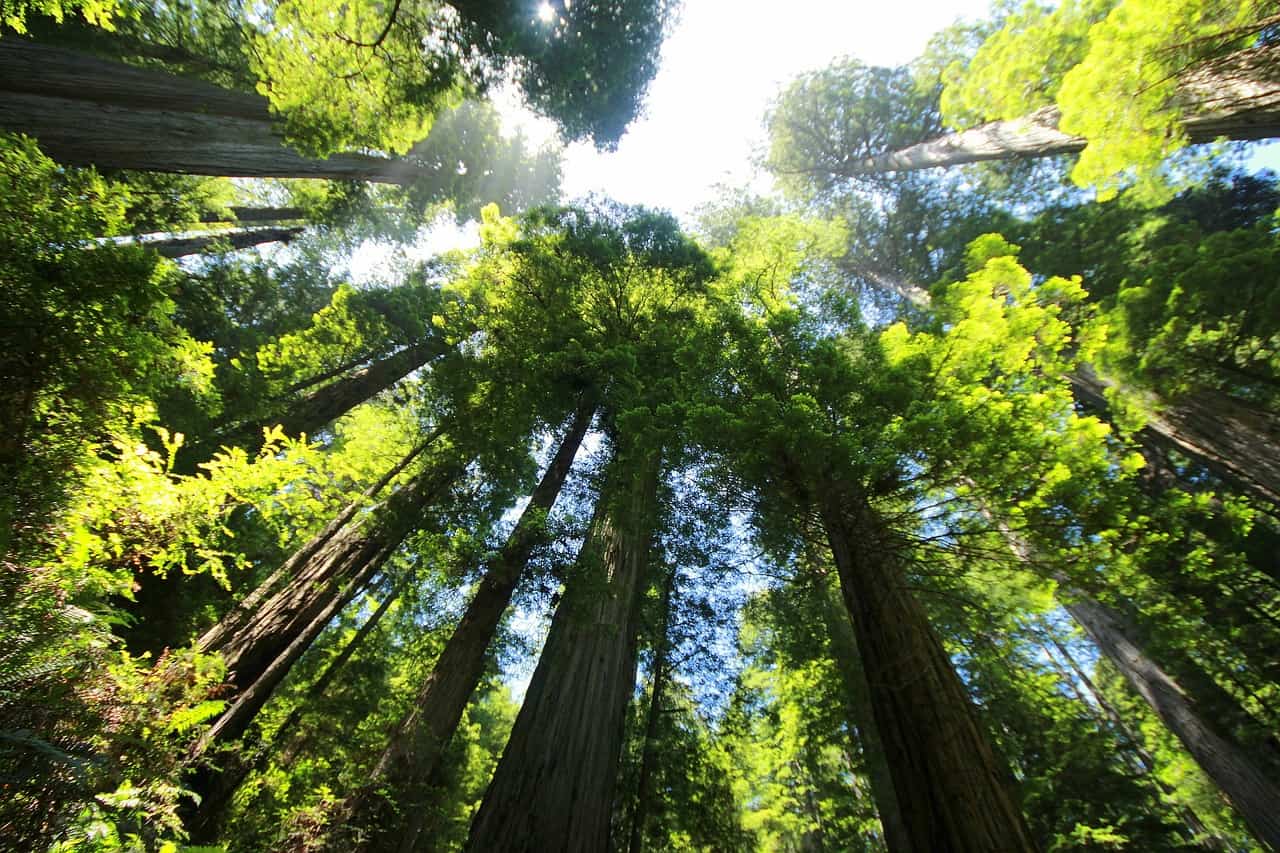
Sequoia National Park stands as an exemplar of natural beauty and grandeur, earning its place among the most breathtaking national parks in the United States.
For those eager to experience incredible scenery, Sequoia National Park delivers with its diverse landscapes, ancient trees, large mountains, and untouched wilderness.
Moreover, its proximity to neighboring Kings Canyon National Park only enhances the beauty of the region, making it a must-visit destination for national park lovers seeking to immerse themselves in the splendor of the natural world.
Highlights
Of course, the obvious feature that draws millions of visitors each year is the colossal giant sequoias, the largest trees on Earth, which dominate the landscape and create an unparalleled sense of majesty.
The General Sherman Tree, a giant sequoia within the park, captivates visitors with its immense size and ancient presence.
Sequoia National Park also reveals the captivating beauty of towering granite peaks, including the iconic Moro Rock and the rugged Sierra Crest, which offer sweeping panoramic vistas of the surrounding terrain.
Location
Sequoia National Park is located in the southern Sierra Nevada mountain range of California. It encompasses a significant portion of the southern Sierra Nevada, primarily in Tulare County, and it extends into neighboring Inyo County as well.
Best Time to Visit
The summer months from late May through early September are the most popular and accessible time to visit as most of the park’s facilities, campgrounds, and roads are open. This is an excellent time for hiking, camping, and exploring the park’s iconic giant sequoia groves.
However, if you prefer a quieter experience and cooler temperatures, consider visiting in the spring (April to early May) or early fall (late September to October).
How to Get to the Park
The nearest major airports to Sequoia National Park are Fresno Yosemite International Airport (FAT) and Bakersfield Meadows Field Airport (BFL). Both airports are within driving distance of the park, and you can rent a car at the airport to continue your journey.
However, if you prefer a larger airport, you could choose to fly into either San Francisco or Los Angeles.
Where to Stay
There are several in-park accommodation options that include a variety of campgrounds as well as Wuksachi Lodge. If you plan to combine your visit with nearby Kings Canyon National Park, some visitors will also choose to lodge in that park as well.
Tips for Traveling to the Most Beautiful National Parks in the US
Any successful trip to one of the national parks requires a bit of planning and sometimes a bit of luck. The following tips for traveling to the national parks will help to ensure a smooth trip.
- Get a Pass
If you plan on visiting at least three national parks within a year, make sure to save some money by getting a national park pass.
These entrance cards also allow you to visit other national sites (such as lakeshores, historic sites, monuments, and more) as well, without having to pay the entrance fee. You can purchase a yearly pass or check to see if you qualify for a free one.
Free national park passes are available to veterans of the U.S. armed forces, U.S. residents with a permanent disability, and 4th graders. Additionally, senior citizens can purchase a lifetime pass for $80.
- Decide how to visit (camping vs. hotels)
When planning your next national parks trip, you will want to decide how you’d like to visit the park. Depending on the amount of time you have, you could choose to visit the park(s) as part of a road trip, or fly to the nearest airport, rent a vehicle, and explore from there.
Furthermore, you will want to decide whether you want a camping or hotel experience. From there, decide for yourself if the extra cost of staying in the park is worth it for you or if it would be better to possibly save some cash by staying in a nearby town.
Most national parks offer both lodges or hotels within the park boundaries as well as camping facilities. They even often have adaptive options for camping for the disabled by offering ADA-approved sites.
- Check if Reservations are Required
Once you decide how and when you want to take your trip, you’ll want to look up the national parks you wish to visit to see if any reservations are required. Some parks have timed entrances required to enter, while others require reservations for specific activities or areas within the park (for example, Cadillac Summit in Acadia or Going to the Sun Road in Glacier).
Also, check to see when reservations may not be required. There may be exceptions to the rules if you are staying within the national park (for timed entrances) or if you book an organized tour.
Reservations go on sale at various times and are park-specific so make sure to mark the release dates on your calendar.
Popular park reservations can sell out within minutes, so make sure you set time aside and are ready to grab them as soon as they go on sale.
Additionally, some last-minute reservations may be able within a few days of your visit. However, it should be noted that these are not guaranteed and if they are available, will go quickly.
- Plan Ahead
Be ready to plan a trip to the popular US National Parks way in advance. It is recommended to start planning your trip at least a year in advance. This will not only help you score any necessary reservations but the coveted in-park lodging options as well.
Similar to the park reservations, in-park lodging, and camping also sell out quickly. Visitors can start booking these options a year or more ahead of their travel dates.
Additionally, some parks release all the availability for the season at once. So make sure to check your available options and make a note of when they can begin to be booked.
- Get the Guide A Long App
Before you take your national parks trip, make sure to download the Gypsy App. Then look to see what tours are available for your trip.
You can purchase tours by specific park or sometimes get combo tours for national parks that are near each other.
The Gypsy App offers guided tours and makes it feel like you have your own personal private tour guide. It can also help you make the most of your time in each park by offering recommendations and finding hidden gems that others may not know about.
Since the app doesn’t require cell service or use your cell phone data, it’s perfect for guiding you through the parks.
Just download the tour before your trip and the app will use GPS to know where you are in the park and provide you with relevant information.
- Take a Good Camera
Undoubtedly, during your visit, you will want to capture the sights and memories using a camera. Depending on your photography goals, you may want to consider taking a good camera to get the best images.
While cell phone cameras are great for everyday use and for selfies, they aren’t as good for zooming in on distant wildlife. If you plan on trying to capture the local animals on film, then you’ll want to bring a camera that can zoom in quite a ways as they are not always seen up close
During your visit, you’ll probably see lots of professional photographers with their huge DSLR cameras and zoom lenses on tripods. However, if you aren’t a pro, you can often take wonderful pictures with a quality point-and-shoot camera which is lightweight and easy to carry.
Make sure to check into all your options as there is a wide variety of equipment available for various skill levels. They even have tools to make photography for the disabled easier.
Choose something that is not only within your budget but is easy for you to use and make sure to practice with your camera before your trip.
- Respect Wildlife
One of the reasons people love visiting national parks is for the opportunity to see wildlife in their natural habitat. However, it is important to remember these are wild animals and you are not at a zoo. You are visiting their home and you are just a guest.
As a result, make sure to give them their space and not get too close. Furthermore, please, do not try to pet or feed them.
These rules are not only for your safety but for theirs as well. When animals get too accustomed to humans (and their food) they often have to be put down.
Help protect the animals you came to see and love by keeping a safe distance between you and them, not giving them food, and not annoying or harassing them.
- Pack for Weather and Activities
A good guideline to follow is to always check the weather for your destination before and during your trip. This will not only help you to know what to pack, but how to dress for the day.
Of course, you’ll also want to keep in mind the activities you plan to take part in for the day and take clothing that is appropriate.
Packing and dressing in layers is always a good idea as it will help keep you comfortable for a variety of temperatures you may encounter during your trip.
- Be Aware of the Elevation
Another factor you will want to consider during your trip is the elevation. This will affect not only what you should plan to wear, but other factors as well such as sun intensity, and dehydration.
Even if you do not typically need sunscreen, you should consider putting some on to help protect your skin against the sun. In addition, you will need to drink more water than usual to help fight against dehydration which can occur sooner at higher elevations.
Finally, higher elevations can take more of a physical toll on your body. You may notice changes in breathing and energy levels. Listen to your body and make sure to be aware and keep an eye out for signs and symptoms of altitude sickness.
- Safety First
While visiting the national parks is a truly memorable experience, ultimately you want to make sure you put safety first to make sure you remember your trip for the right reasons.
This means you’ll want to be aware of your surroundings so you don’t fall off the edge of a cliff or canyon while you’re trying to get that perfect selfie. In addition, be aware of any weather changes that may suddenly put you at risk.
Finally, putting safety first also means following any rules or guidelines given to you by the rangers. They are telling you these things for very good reasons.
Trust in the fact that they do not want to ruin your vacation and are merely trying to help you avoid any problems or dangerous situations.
Final Thoughts on the Most Beautiful National Parks in the US
All national parks have something for visitors to enjoy that can help to make lasting memories. While they are all worth visiting, there are just some that seem to call to us more because of their incredible scenery.
Hopefully, this list of the most beautiful national parks in the US has helped to inspire your next trip or encouraged you to visit the national parks for the first time.
This is a post by Guest Contributor Kristin
Author’s Bio: Kristin Secor is an avid National Park fan and has traveled to 23 of the parks thus far. When not in a national park, she provides accessibility information for the parks and other worldwide destinations on her wheelchair-accessible travel blog World on Wheels Blog in the hopes of helping people with mobility problems to travel to their dream destinations.