
Traveling abroad for studies is an exciting journey, opening doors to new cultures, knowledge, and friendships. However, it’s crucial to prioritize safety to ensure a rewarding experience. This comprehensive guide offers essential safety guidelines for students embarking on overseas studies or travel.

8 Safety Tips for Students Traveling Abroad
Embarking on overseas studies is more than just an academic endeavor; it’s a journey filled with unique experiences and learning opportunities. While it’s a time to explore and grow, safety remains paramount. This guide aims to equip students with practical advice to navigate foreign lands safely.

1. Prepare for Travel
Before you set foot on foreign soil, complete your academic homework. Ensuring your assignments and studies are up-to-date reduces stress, allowing you to focus on adapting to your new environment. It’s about being academically responsible while giving yourself the freedom to immerse in the new experiences that await you.
This preparation also means researching your study destination, understanding the academic expectations, and preparing for the differences in the educational system. Establish a study routine early on to balance your academic and travel experiences.
You can also entrust some minor tasks to this service TrustMyPaper. They provide quality academic assistance on any subject. Keep in touch with your home institution to stay on track with any distance learning components or requirements.
2. Research Your Surroundings
Understanding your destination is key. Familiarize yourself with the local culture, customs, and societal norms. This knowledge enriches your experience and helps you blend in and respect the local way of life, minimizing potential misunderstandings or cultural faux pas.
Learn some basic phrases in the local language to communicate more effectively. Research local landmarks, transportation systems, and community norms. Being culturally sensitive can open doors to more authentic and respectful interactions with locals.
3. Safety in Numbers
There’s wisdom in the adage, “safety in numbers.” Whenever possible, travel with classmates or friends. Whether exploring city streets or attending events, having companions increases your safety and enhances your overall experience.
Plan your outings together, keeping everyone’s interests and safety in mind. Share your itinerary with someone you trust and check in regularly. Remember, in unfamiliar settings, there’s strength and safety in sticking together.
4. Protect Important Documents and Money
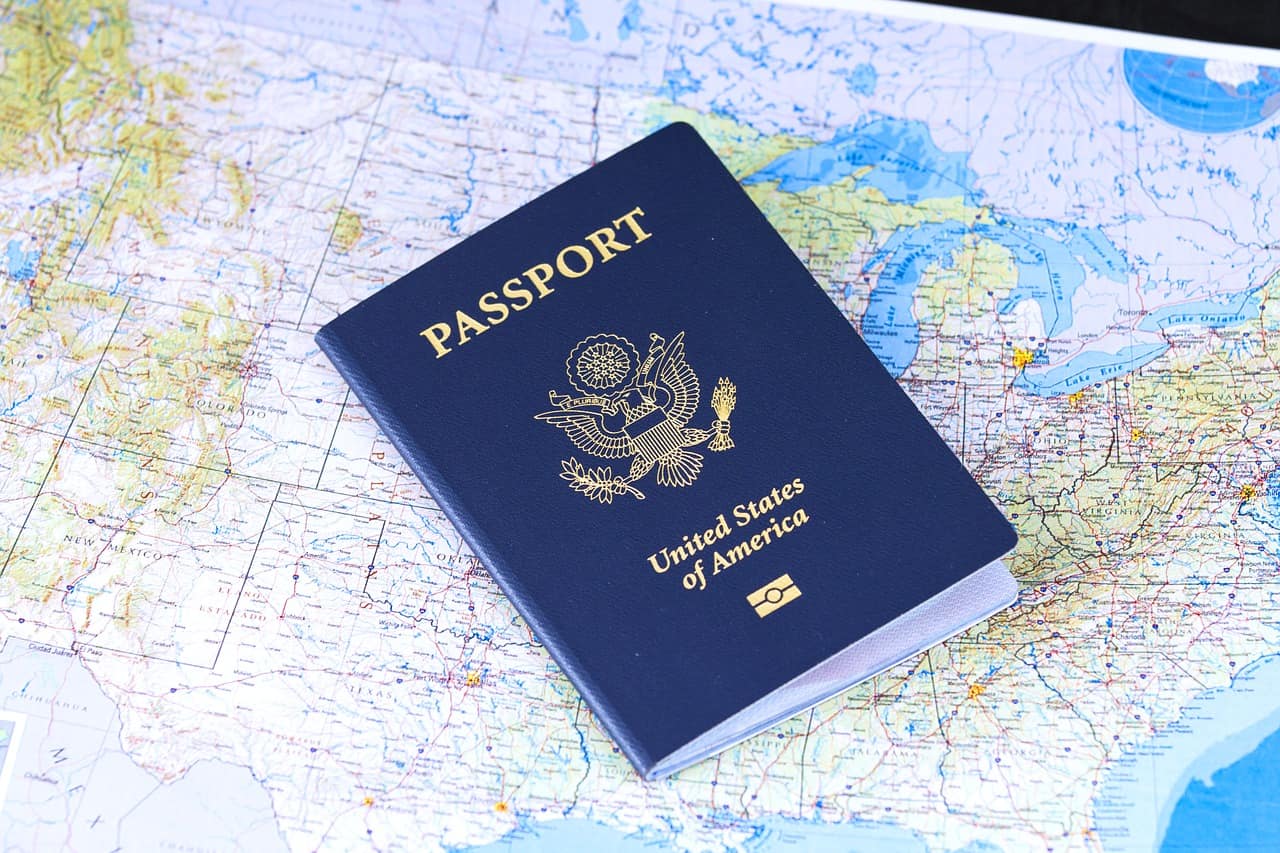
This tip is the most important among other student travel tips you hear. Keep your important documents like your passport, visa, and identification safe. Similarly, be cautious with your money.
It’s advisable to have a secure yet accessible way to carry them, like a hidden pouch or a secure bag. Losing these essentials in a foreign country can lead to complicated and stressful situations.
Make photocopies or digital copies of important documents in case of loss or theft. Avoid carrying large sums of cash and use secure methods for financial transactions. Regularly monitor your bank accounts for unauthorized activities.
5. Be Aware of Current Events
Staying updated with current events in your host country is crucial. This awareness helps you avoid areas of unrest or potential danger. It also informs you about local holidays, events, and customs, enriching your cultural experience.
Subscribe to local news channels or apps. Stay connected with the student community, as they might share insights and updates about happenings in the area. Be mindful of travel advisories and alerts issued by your home country.
6. Emergency Contacts
Have a list of emergency contacts, including the local embassy or consulate, emergency services, and contacts at your educational institution.
Having these numbers at hand can be invaluable in urgent situations. Keep these contacts in both digital and physical forms.
Inform your family or close friends about these contacts. Familiarize yourself with the fastest ways to access help in your host country.
7. First-Aid Kit
While a first-aid kit may seem trivial, it’s a small but vital component of your travel gear. Basic items like band-aids, antiseptic wipes, and pain relievers can be lifesavers in minor accidents or health issues.
Include personal medications with prescriptions, allergy information, and basic first-aid supplies. Check the legalities of carrying certain medications into your host country.
Being prepared for minor health issues can prevent them from escalating into major concerns.
8. Know the Laws of Your Host Country
Laws can vary significantly from country to country. What’s acceptable in your home country might be illegal abroad. Familiarize yourself with local laws and regulations to avoid unintentional law-breaking.
It’s not just about legal compliance but also respecting your host country’s legal system. Research common legal differences, such as traffic laws, drug and alcohol regulations, and public conduct rules.
Understanding these nuances can prevent legal misunderstandings. When in doubt, seek advice from local authorities or your educational institution.

Final Takeaway
Embarking on an overseas study adventure is an enriching and transformative experience that extends far beyond academic learning. The journey promises personal growth, cultural immersion, and broadening perspectives.
However, as with any great adventure, it comes with its challenges, particularly concerning safety. By following the guidelines outlined in this article, students can significantly enhance their security and peace of mind.
From preparing academically to understanding and respecting the local culture and laws, each step is a stride towards a safer and more fulfilling experience abroad.
Remember, the key to a successful and enjoyable time overseas lies in a balanced approach that combines adventure with awareness, exploration with caution, and learning with responsibility.
Students can confidently and easily navigate the complexities of living in a new country by staying informed, vigilant, and prepared. Ultimately, the experiences and lessons learned during this time will contribute to academic success, personal growth, and a deeper understanding of our interconnected world.
So, embark on this journey with an open mind and a well-prepared plan, ready to embrace all the wonders that studying abroad offers safely and smartly.
Author’s Bio: Kaley Howerton is an accomplished writer and educator specializing in international travel and cultural studies. Her passion for exploring diverse cultures and educational systems worldwide has led her to write extensively on the challenges and rewards of overseas studies for students. Kaley’s work is characterized by her insightful understanding of cross-cultural dynamics and practical advice for young travelers, drawing on her extensive experience guiding students through their academic and personal journeys abroad.