

We all know that sun protection is vital when traveling, especially if traveling to hot countries. What you might not realize is how quickly the sun can cause damage to our eyes. The sun can burn your retina in a matter of seconds if you look directly at it.
While it might sound obvious not to look at the sun, many Americans need to do more when it comes to sun eye protection. One survey found that 42% of respondents don’t think about how their eyes are being affected by the sun when spending a long time outside.
If you are traveling, either as a solo female traveler or with friends and family, to a destination with lots of sun, you must protect your eyes to prevent short-term and long-term damage. Below, we will look at the common conditions caused by sun damage and the best way to protect your eyes.

Common Sun Issues
These are the most common eye issues caused by exposure to sunlight and why you must protect your eyes at all times.
Photokeratitis – Essentially a sunburn for the eyes, photokeratitis is caused by direct and indirect exposure to UV light. This can lead to eye pain, watery eyes, light sensitivity, and, in the worst cases, temporary vision loss.
Cataracts – While you may think this is a condition that only affects older people, sun damage can increase your chances of getting cataracts early or speed up their development.
Macular Degeneration – Studies have shown that sun damage can lead to macular degeneration. This condition blurs your central vision and can ultimately lead to vision loss if not treated.
How to Best Protect Your Eyes
Wear Good Quality Sunglasses
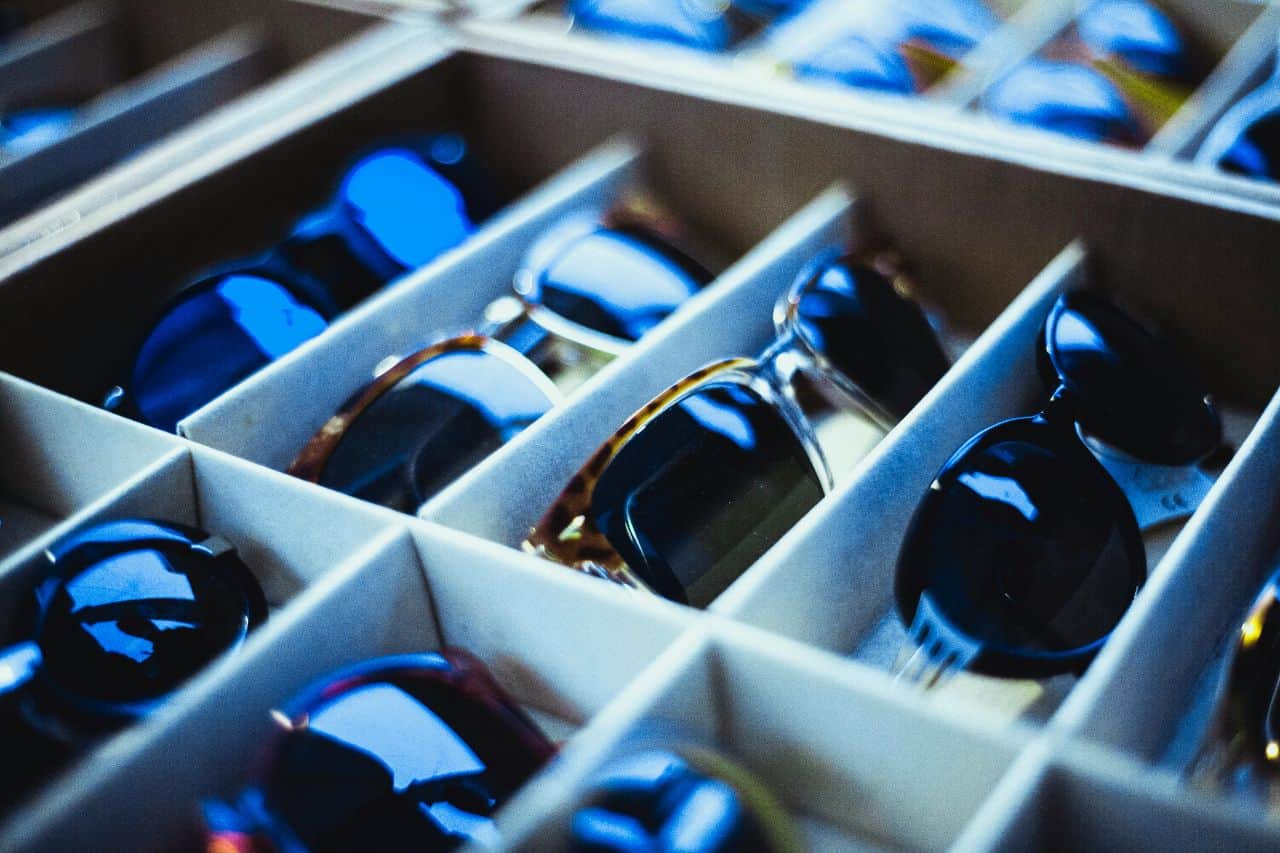
The most obvious and easiest way to protect your eyes is to wear sunglasses. Yet, it is not as simple as wearing any old pair as many cheaper and unbranded sunglasses don’t offer enough or any protection from the sun. When choosing a pair of sunglasses, you must ensure that they offer 100% UV protection.
This means that the lens won’t transmit any “light that’s in the ultraviolet portion of the electromagnetic spectrum.” Do be aware that polarized lenses are not the same as 100% UV protection as they only restrict a certain type of light, either horizontal, vertical, or oblique waves, in order to prevent the user from seeing scatter or glare.
The good news is that plenty of good quality women’s sunglasses offer the protection you need. Established brands like Ray-Ban, such as the RBR0101S Aviator Reverse, and Persol, such as the PO3333S Elio, are guaranteed to offer 100% UV protection.
If you already wear glasses, you can choose from a range of stylish women’s prescription shades to make sure you look and see your best while shading your eyes from the sun.
Wear a Sun Protection Hat
Just like sunglasses, not all hats are equal and offer the same protection. When shopping for the best sun hats for women, you should only buy hats with an Ultraviolet Protection Factor (UPF) rating above 50. This is because a UPF rating of 50 is guaranteed to block 98% of sun rays.
If a hat does not have this rating, it will provide some shade, but UV light will be able to penetrate the material. A good sun hat, such as the Sun Blocker Travel Sun Hat UPF 50+ and Columbia Global Adventure Packable Hat II, has wide brims over 3 inches, fully protecting your face, neck, and shoulders.

Hydrate Your Eyes
If traveling in a hot country, it is easy for your eyes to get dehydrated. This can lead to irritation and light sensibility, which could lead to more severe conditions like photokeratitis.
Keep your eyes hydrated by drinking plenty of water and watching your alcohol intake, especially if you are relaxing on a beach resort. If you feel your eyes getting dry, over-the-counter eye drops can provide relief.

Be Sun Smart
The best way to protect your eyes is to be sun smart. Apart from wearing quality sunglasses and sun protection hats, you need to be aware of your environment. If traveling in a hot country, avoid peak sun hours, which are between midday and mid-afternoon.
You should also seek to stay under shade or indoors as often as possible. Simple measures like these will greatly reduce the chance of you incurring any eye issues due to the sun and ensure that you can enjoy your holiday pain-free.

In Conclusion
Using the above tips, you can protect your eyes when traveling under the sun. Don’t be one of the 42% who don’t pay enough attention to how the sun can affect your eyes.