

Moving across the world with our pets, whether by road or air, can be a pleasurable experience. We witness a whole new side of their personalities as they discover and sniff new environments. Having them with us while we’re far from home is also reassuring. However, at the same time, planning a trip with your pet isn’t as easy and pleasant as it looks. Having them by your side as you travel and explore new cultures is great, but the maintenance that comes with it is not so great. You have to go through a series of planning stages to ensure your pet does not end up wreaking havoc on your trip, thus adding an extra layer of stress to the table.
Thankfully, with a little forethought and arrangement, you can take care of your furry companions while having the best vacation. This article will give you a few tips before taking your pet on vacation while maintaining your creature’s comfort and fun.
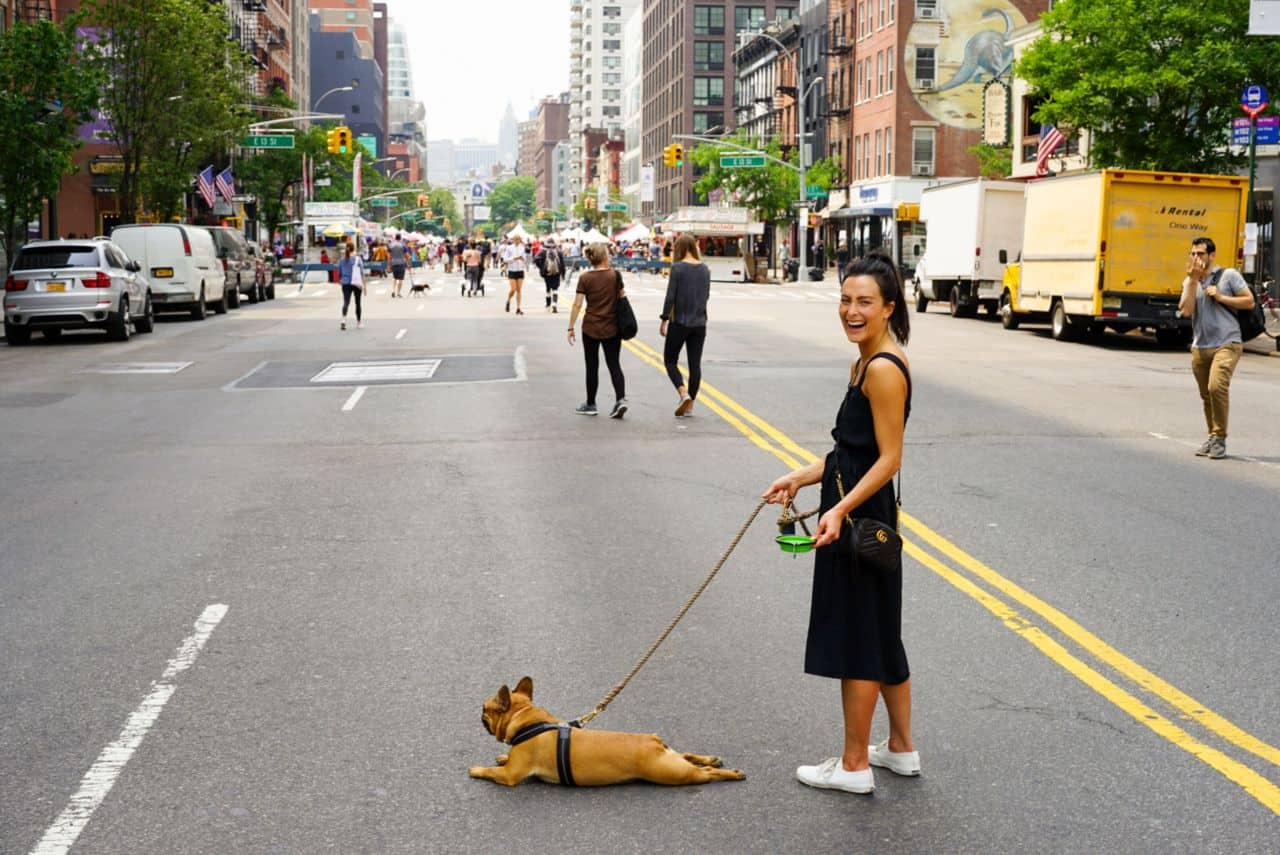
tips for traveling with your pet
1. Research the destination and accommodation.
When planning your vacation, research your destination and accommodations. Check that your lodging has safe fencing and that you have access to dog-friendly areas such as walking trails, parks, and beaches.
Pro-Tip: If you plan a trip to Pigeon Forge, TN, with your beloved furry friend, please know that this town has something for every personality, pet, and budget. Also, with an abundance of scenic towns and fun stops, there are plenty of pet friendly cabins in Pigeon Forge with all sorts of amenities, such as dedicated outdoor spaces, food services, playing areas, and so on.
Furthermore, take all the time you need to read local council regulations and have the contact information for your nearest vets and after-hours emergency center on hand.

2. Don’t forget about identification.
Implanted microchips and ID tags are two ways to ensure that runaway pets can be discovered and returned to their owners. Remember that even the most affiliative and lovable pet can become stressed and flee when placed in unfamiliar surroundings. Extra tags should include a phone number and the address of where you will be residing during your trip, in addition to a rabies tag and a nametag. These items will not only aid in identification but will also offer you peace of mind.
3. Plan for pet emergencies while traveling.
Medical issues and incidents can be more difficult to manage while traveling. So be prepared and bring the following items with you:
- Contact information for your veterinarian
- Pet first-aid kit
- Extra food and water
- Medical records for your pet
Vacation with pets is undoubtedly more complicated and time-consuming than traveling without them. Still, it is well worth the time and effort. After all, pets frequently enjoy the excitement of travel just as much as people do. Perhaps even more!

4. Keep your pets safe while driving.
Fight the temptation to let your pets run around freely while driving. Not only can this cause injuries to your pets and any human travelers, but if an incident happens, a pet may flee in fear. An eager pup or a slinky cat can also slip out an open car door at a rest stop in the blink of an eye. Dogs can be restrained in a crate or with special tethers or harnesses designed to attach to the seatbelt.
YOU MIGHT ALSO LIKE THIS: Best Pet Friendly Hotels in Colorado
5. Strategy for air travel
Choose late evening or early morning flights if your pet travels in the cargo hold to avert temperature extremes that could harm your pet’s wellbeing. When traveling during the holiday breaks, try to leave a day or two before or after the major rush and take direct flights whenever possible to prevent unnecessary delays or transfers. Moreover, there is limited space in the cabin for small pets, so always book early. Contact the airline to make any necessary bookings and stay current on current regulations.
6. Photos and vaccination records of your pet.
Don’t forget to include a picture of your pet and current vaccination records in your traveling backpack. A photograph might come in handy if you and your animal become disconnected. Up-to-date vaccination records and a recent medical certificate are required when traveling on any airline. These records will be required if you want to spoil your pet at a daycare facility or need last-minute boarding. Also, ensure your pets are up to date on heartworm medication and tick and flea control.

7. Purchase a crate or pet carrier.
It makes no difference what size your pet is. If you are traveling with pets, you want them to be safe and protected in the backseat, regardless of their size. In the event of an accident, you want to know that your pet is as safe at all times as it can be without the use of a traditional seat belt. If you have an extra-large pet, you may need to remove the last row of seats in an SUV to make room for the pet carrier. In his crate, you want your pet to be able to lie down, stand, turn around, and sit. Make sure it’s securely fastened so it doesn’t slide around!
8. Make a meal plan.
While traveling, please stick to your pet’s normal eating schedule to avoid upsetting their schedule or tummy. If your pet suffers from motion sickness, plan the day’s driving to allow time for their stomach to rest after eating and before continuing the journey. Your veterinarian may also be able to assist you. Bring regular healthy treats, and don’t tempt your pet with unexpected snacks or unsecured foods.
9. Plan frequent breaks and playtime.
Allow your animal to safely stretch their legs, go potty, and spend some of their pent-up energy whenever possible. Pet-friendly rest stops can help you keep your pet calm and comfortable while you have them sit with you in your traveling car, making your journey that much easier. When in doubt, tennis balls and toys and look for local pet parks for a quick pitstop on the way.
Conclusion
So these are some of the things to consider when taking your pet on vacation with you. While you use these tips to your advantage, remember that it is just a “vacation.” Traveling can be strenuous for both the owner and the pet, but a calm owner usually has a cool and collected pet. Our pets pick up on our stress, so if you’re anxious and tense, your dog may be as well. Remember that some dogs dislike traveling, and your dog may prefer to remain at home with a dog sitter.