

When you first think of Greece, you may think of Santorini, Mykonos, and Athens – three of the most popular tourist spots in this beautiful country. But there is so much more to see in Greece, so many hidden gems in Greece worth visiting. Want to see Greece off the beaten path? Read on.
Get to explore lands influenced by the Byzantines and the Ottomans, monasteries that have withstood centuries of persecution, and sedate islands that have played powerful parts in revolutions.
You can see villages untouched by major tourism, explore islands where no cars are allowed, and glimpse a land that still maintains a slower, more relaxed pace of life.
Some of my favorite off the beaten path destinations in Greece are below.

Secret Greece: Off The Beaten Path Destinations To Visit In Greece
Zagorohoria
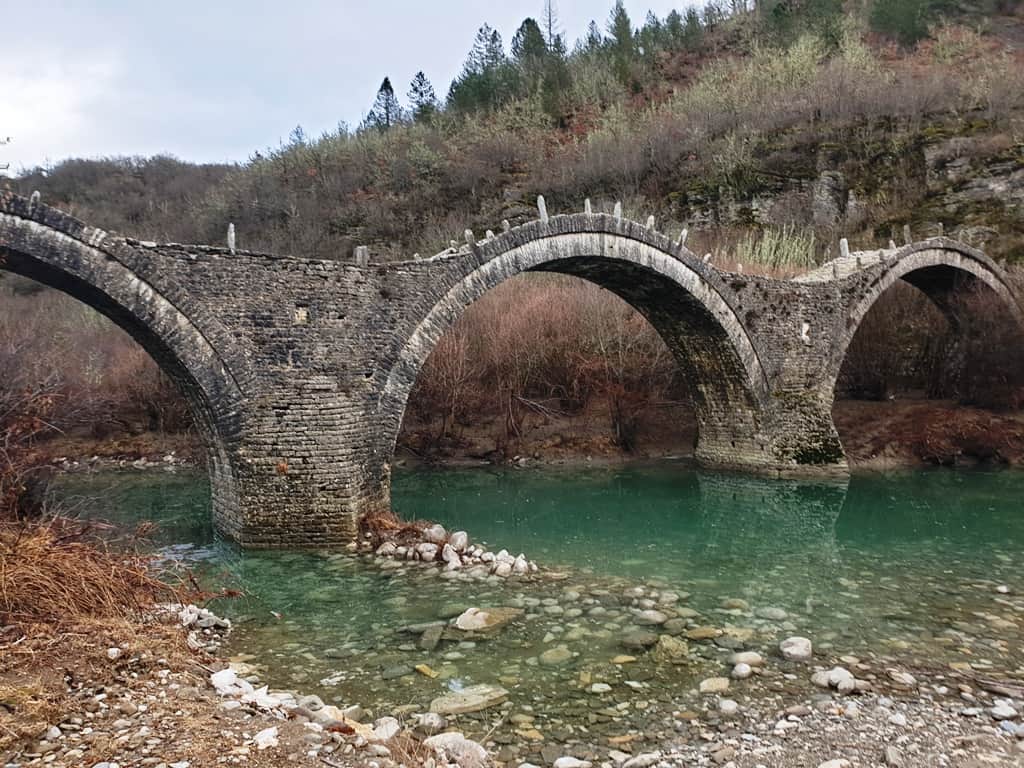
Perched on the slopes of Epirus, in the Pindus Mountains, the 46 fairytale villages that make up Zagorohoria are almost ethereal. Built from the local greystone, the tiny settlements blend into the forested mountains.
The villages are linked by old stone paths and 18th century stone bridges that are too narrow for cars. Historically difficult to access, Zagorohoria is now accessible by modern mountain roads from Ioannina and boasts two National Parks.
Suggested place to stay: Guesthouse Lucas
Mani
The Mani Peninsula, which is the central peninsula that extends from the southern Peloponnese, is a remote and mountainous region. Until recently, most of the villages in the Mani were only accessible by sea, though today there is a narrow road from Kalamata to Akrotainaro and back along the other coast to Gytheio.
It remains one of the most isolated regions of Greece, though, and is rich in history and intrigue. Travelers to the region can explore remote fortresses and visit secluded beaches.

Lemnos Island
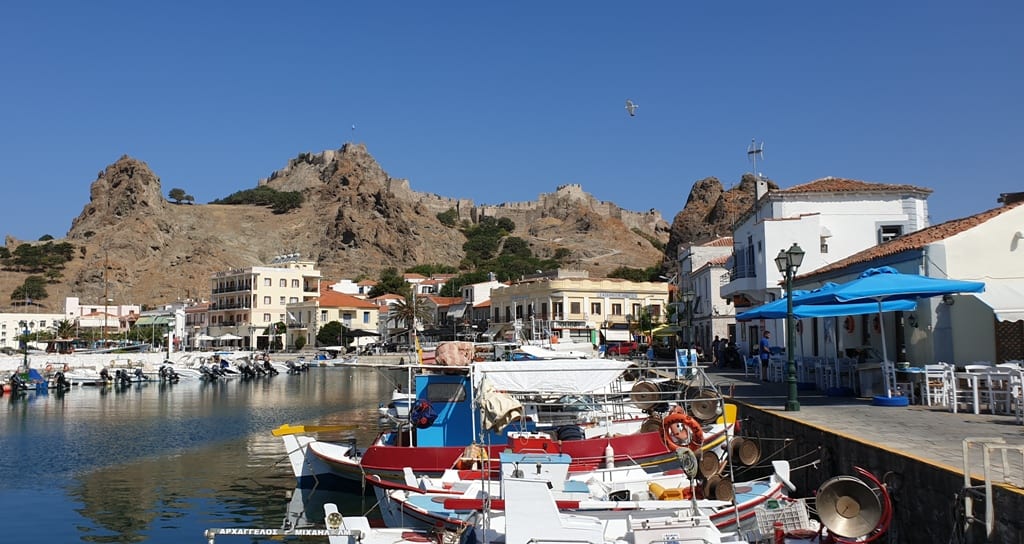
Lemnos Island is located in the northeast Aegean Sea, close to the Turkish islands, and is known mainly for its animal husbandry and agricultural production.
The island has been settled since prehistoric times, and there are several interesting archaeological sites on Lemnos, like Poliochni, Kabeirio, and Hephaistia, which are dedicated to Hephaestus, the god of metallurgy.
Lemnos has two main towns, Myrina and Moudros. Myrina has been a town since ancient times, while Moudros was settled during the First World War in the Dardanelles campaign. Go to Lemnos for eco-tourism, untouched culture, and rich history.
Donousa Island
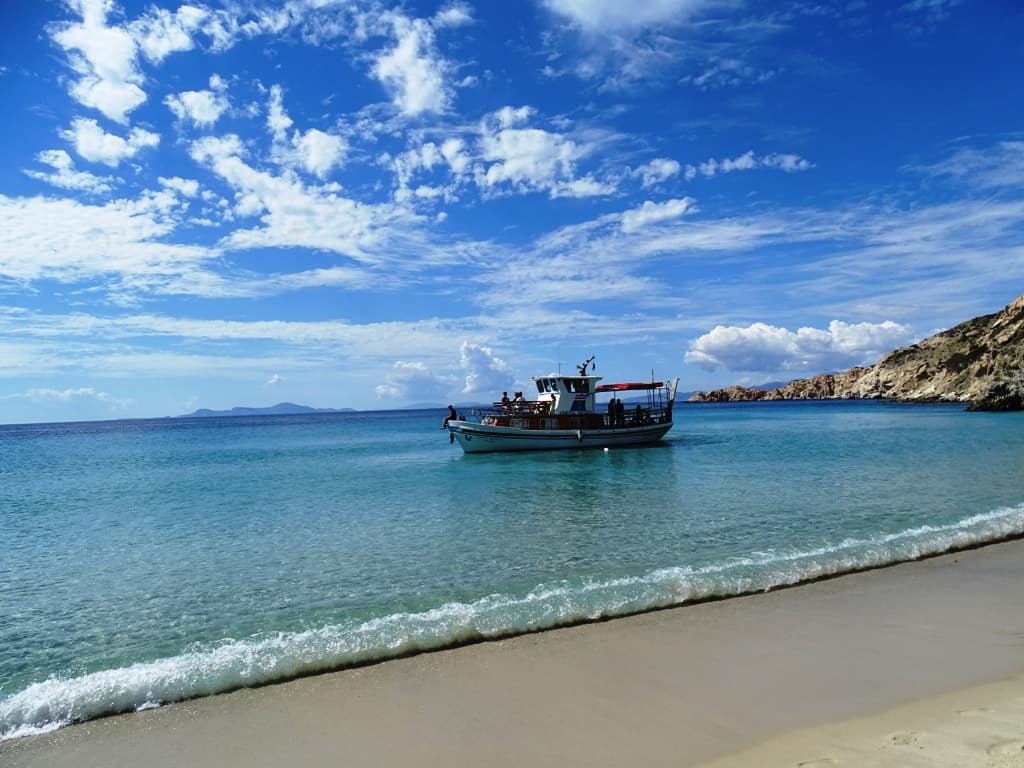
One of the smallest Cycladic islands is Donousa Island, a 13 square kilometre island you can walk around on foot. The hiking trails pass rural churches, remote farmhouses, and secluded beaches.
Most inhabitants live in the main town of Stavros, but the remainder of the island boasts unspoilt beaches with crystal clear turquoise waters, tiny villages with whitewashed houses, and wild landscapes.
Eastern Crete (Lasithi)
The easternmost part of Crete, known as Lasithi, lies just east of the town of Heraklion. The main town in Lasithi is Agio Nikolaos, which is often considered one of the most beautiful cities in Crete, while Elounda is a popular tourist town.
The palm date forest at Vai attracted hippies and backpackers in the 1970s and 80s until it was closed and cleaned before becoming a protected area. Another well known places are Spinalonga, a former Venetian fortress, and a leper colony, and the Lasithi Plateau, famous for its windmills.
RECOMMENDED: The Best Beaches in Crete!

Leros Island
Leros is a Greek island in the Dodecanese, between Patmos and Kalymnos. Known in mythology as the island where the goddess Artemis went hunting, Leros is also known for its remote beaches and tiny villages.
Like many other Greek islands, Leros features Venetian fortresses and churches, as well as Italian-style promenades and quaint Greek seaside towns.
The Italian influence doesn’t stop there, either, as Mussolini poured money into the island and into a new Italian naval base. Left abandoned after the war, the town has slowly been revitalized by the locals who have embraced the Italianate architecture.
They have also embraced the many ruins left across the island by the Italians, and visitors to the island can see the war tunnels, and derelict military buildings.
Pelion
Located in the central part of the country, Pelion is one of the most remote regions of Greece. The 24 villages that make up this isolated hook-like peninsula in Thessaly are made from traditional materials and built on terraces that offer panoramic views of the mountains.
The most picturesque buildings are the 300 year old Pelion Towers, which act as points of reference for the locals.
Pelion is also heavily forested and famous for its many hiking trails that lead to secluded beaches and lush mountain slopes. Pelion is also known for its traditional cuisine and orchards.
Lesvos Island
Lesvos, also known as Lesbos or the Island of the Poets, is a North Aegean island near the coast of Turkey. Lesvos is the birthplace of Sappho, leading to its poetic nickname, but it is also a European Geopark because of its importance to geology.
Lesvos has one of the few known petrified forests, aptly named the Petrified Forest of Lesbos. The island also has a number of castles and churches dating back to the Early Christian Period which are on the World’s 100 Most Endangered sites list.

Hydra Island
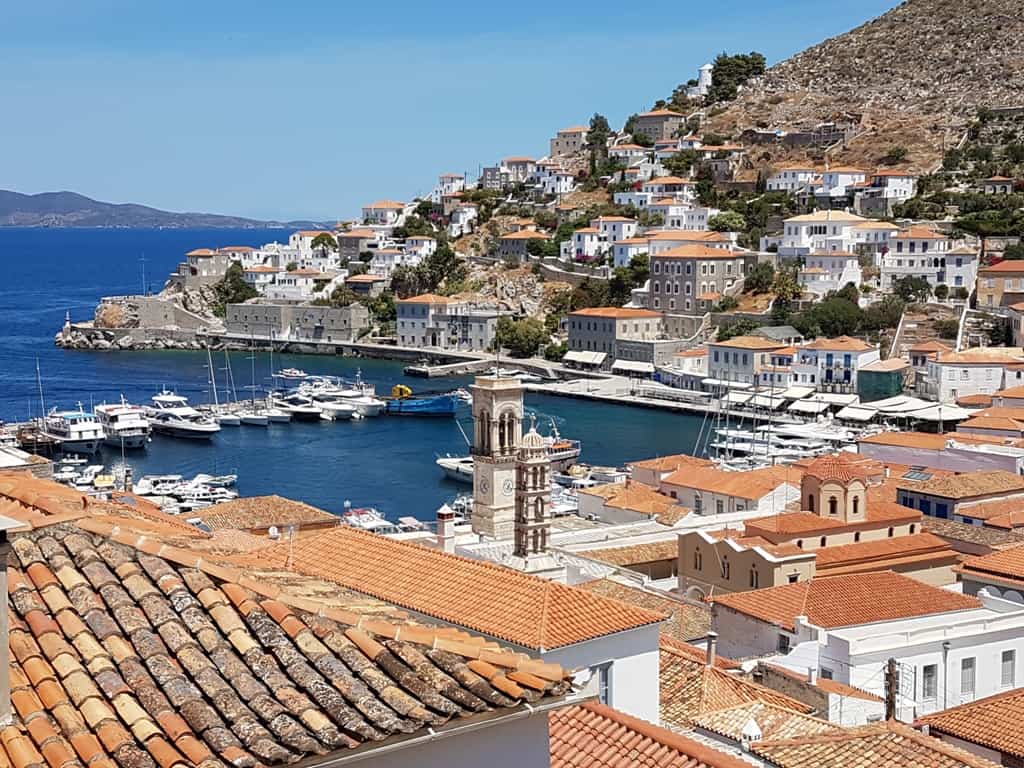
Hydra is a small, quaint island about two hours by ferry from Piraeus. It is a charming island where no cars are allowed, offering visitors the chance to explore the island by donkey cart or on foot.
Hydra is still one of the most popular islands for both tourists and locals; with an influx of boutique hotels and fine dining options, it is also one of the most cosmopolitan.
Visitors to the island can marvel at the elegant stone mansions and walk the narrow streets of the old town. Hydra’s history began in the 18th century, when its port and commercial fleet were part of the powerful trades in the Mediterranean.
The fleet also contributed a significant amount of ships and resources in the 1821 War of Independence against the Ottoman Empire.
Kavala
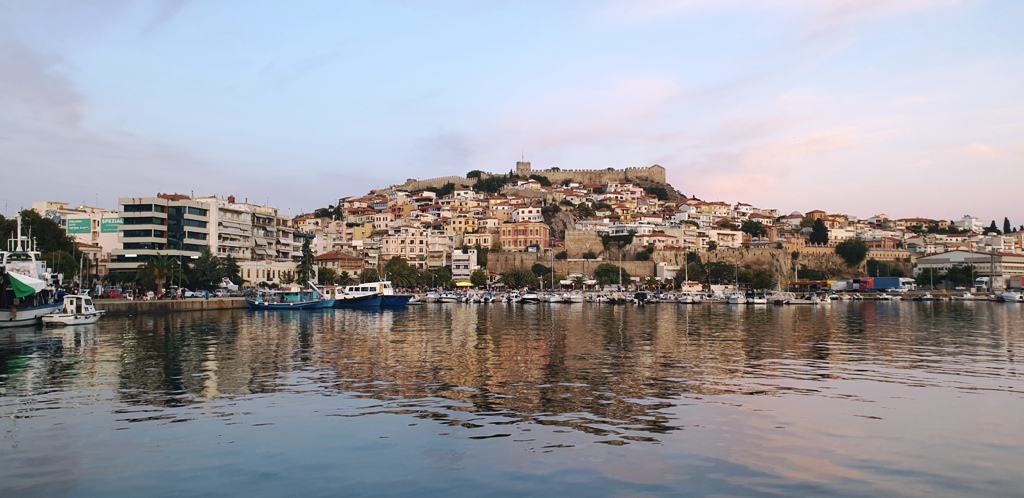
Kavala is a city in northern Greece; it is the main seaport of the eastern Macedonia region and the centre of commerce, fishing, and oil in northern Greece. The surrounding region was also known for its tobacco production.
Kavala was built on the ancient city of Neapolis; among the most impressive landmarks are the Byzantine Castle, the 16th century Ottoman aqueduct, and the old city walls.
The city is built like an amphitheatre, rising from the low ground around the harbor to the Byzantine Castle on the hill. The town has plenty of restaurants and bars as well as hotels and hostels.
Folegandros
Folegandros may be one of the Cyclades, along with Mykonos and Santorini, but don’t let that fool you. Folegandros is among one of the few untouched islands, though in recent years it has seen a spike in tourism.
The island has stunning natural beauty; the main village of Chora is situated on the edge of a cliff, while the nearby Panagia Church is located at the island’s tallest point and is within walking distance from town.
There are many remote beaches, some used by naturists, and hiking trails from town to these uncrowded beaches. Folegandros is the perfect place to slow down and relax, enjoying the less frenetic pace of life here.
Syros Island
Nearby to Folegandros is Syros, another Cycladic island that oozes Venetian charm. Like Folegandros, Syros is less “party” than Mykonos and less visited than Santorini, but it’s no less gorgeous.
The small villages and the wide, sweeping beaches are popular with Greeks and tourists. At Easter, the island comes alive with celebration, especially in Ermoupoli, the main town and capital of the Cyclades, where traditional Greek Easter festivities take place.
Just north of the harbor is Ano Syros, the Catholic town. From the 13th century cathedral, one can see as far as Naxos, Paros, Tinos, and Mykonos.
Patmos Island
Patmos is located in the Dodecanese islands, off the west coast of Turkey, and is known as the place where John the Theologian wrote the Book of Revelation.
Early Christian tradition named John as the apostle John, and for this reason, Patmos is a site of Christian pilgrimage.
After the fall of the Byzantine Empire, the island was ruled by the Ottomans and the Venetians; it was later ruled by the Russians and the Italians prior to the Second World War.
The Monastery of St John is a well-visited site. Like many other Greek islands, Patmos has charming villages with whitewashed buildings, remote beaches accessible by narrow paths, and panoramic views from the highest point on the island.

Amorgos Island
Near to Ios and another Cycladic island, Amorgos is a delightful place for those seeking privacy and tranquility. Amorgos is almost untouched by modern tourism, with many white sandy beaches and hidden coves, hiking trails that crisscross the gently sloping hills, and beautiful villages that stand out white against the golden landscape.
Amorgos features mysterious caves and is a great destination for diving or snorkeling! The most popular tourist site on the island is the 10th century Panagia Hozoviotissa monastery, located at the edge of a cliff and boasting unparalleled views of the sunset.
Kastelorizo
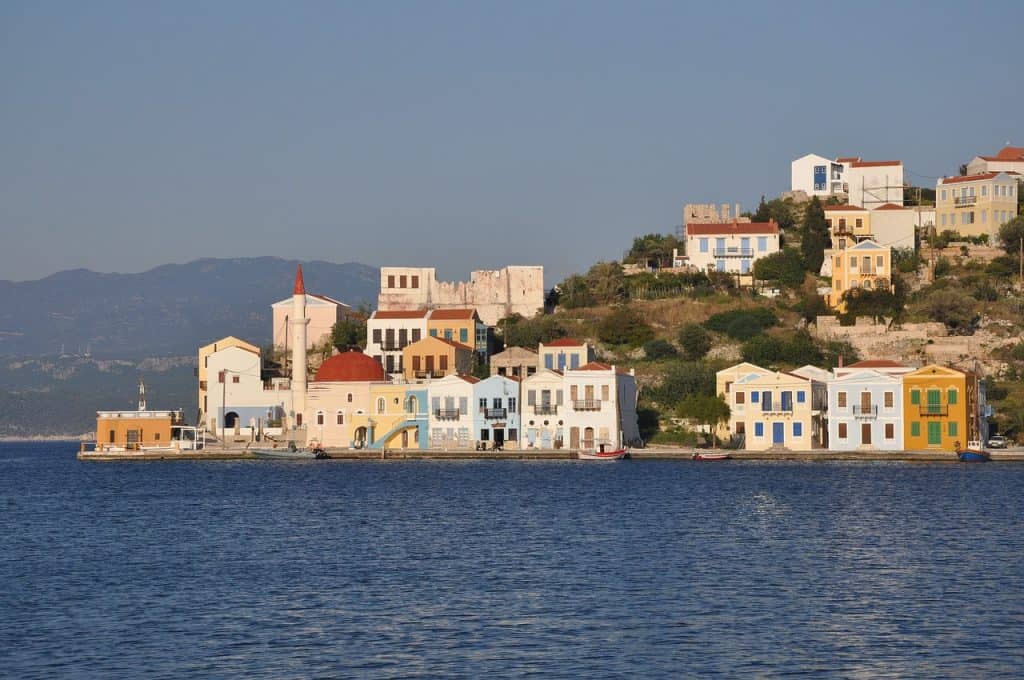
Kastelorizo is a Dodecanese island located just one mile off the south coast of Turkey, near the town of Kas. Unlike many other Greek islands, the character of the island is more Anatolian than Greek, with tall narrow houses with wooden balconies and slender windows.
In the main town of Kastellorizo is an 18th century Ottoman mosque, which is now a museum.
Above town are the ruins of a 14th-century fortress. The only remains are the curtain wall, two circular towers, and part of a square keep with a cistern in the middle.
Inscriptions in the fortress indicate there was an earlier castle on this site as far back as Antiquity. The island has a unique blend of Muslim and Christian traditions and culture, in both architecture and customs, from the Byzantine churches to the acropolis.
Wrapping Up
Greece has many impressive and extraordinary places to visit, and exploring some of the off the beaten path locations will open your eyes to the sheer beauty of this Mediterranean country.
The Greek mainland locations of Mani, Pelion, and Zagorohoria prove that the mainland is more than just Athens and Thessaloniki; these remote regions are all mysterious and mystical. They remind us of fairytale lands and ancient myths.
Some islands, like Hydra or Leros, highlight the world events that Greece and her inhabitants or invaders took part in.
And all showcase the history of this ancient land, in the acropolis ruins, Byzantine churches, and Venetian fortresses.
No matter your interests, be they diving world war shipwrecks or sunbathing on a secluded beach, you can find it in one of my favorite off the beaten path destinations in Greece.
This is a guest post by Chrysoula from the blog Travelpassionate.com
Bio: Chrysoula is a travel blogger with a professional background in Tourism and Marketing. Her blog Travel Passionate is in English and French and is focused on luxury travel, cultural and culinary experiences around the world. She enjoys exploring off-the-beaten-path destinations and she is interested in presenting the best locations, attractions and accommodation in each area she visits. Travelpassionate is a trusted resource for travel tips and destination guides that aims to inspire others to travel and experience different cultures.
Enjoyed Reading? Save it for later on Pinterest!





Pingback: What is Dalgona + Coconut Dalgona Whipped Coffee Recipe - Productive Journey