

Japan, a country where ancient traditions seamlessly blend with the pulse of modern life, invites travelers to embark on a historical journey that spans centuries. The nation’s history museums act as portals to the past, offering a deep dive into Japan’s cultural evolution from the era of samurais to the technological marvels of today.
This narrative takes us on an exploration across Japan, connecting historical insights with the ease of modern rail travel, navigating from Tokyo’s dynamic heart to the serene and culturally rich streets of Kyoto.
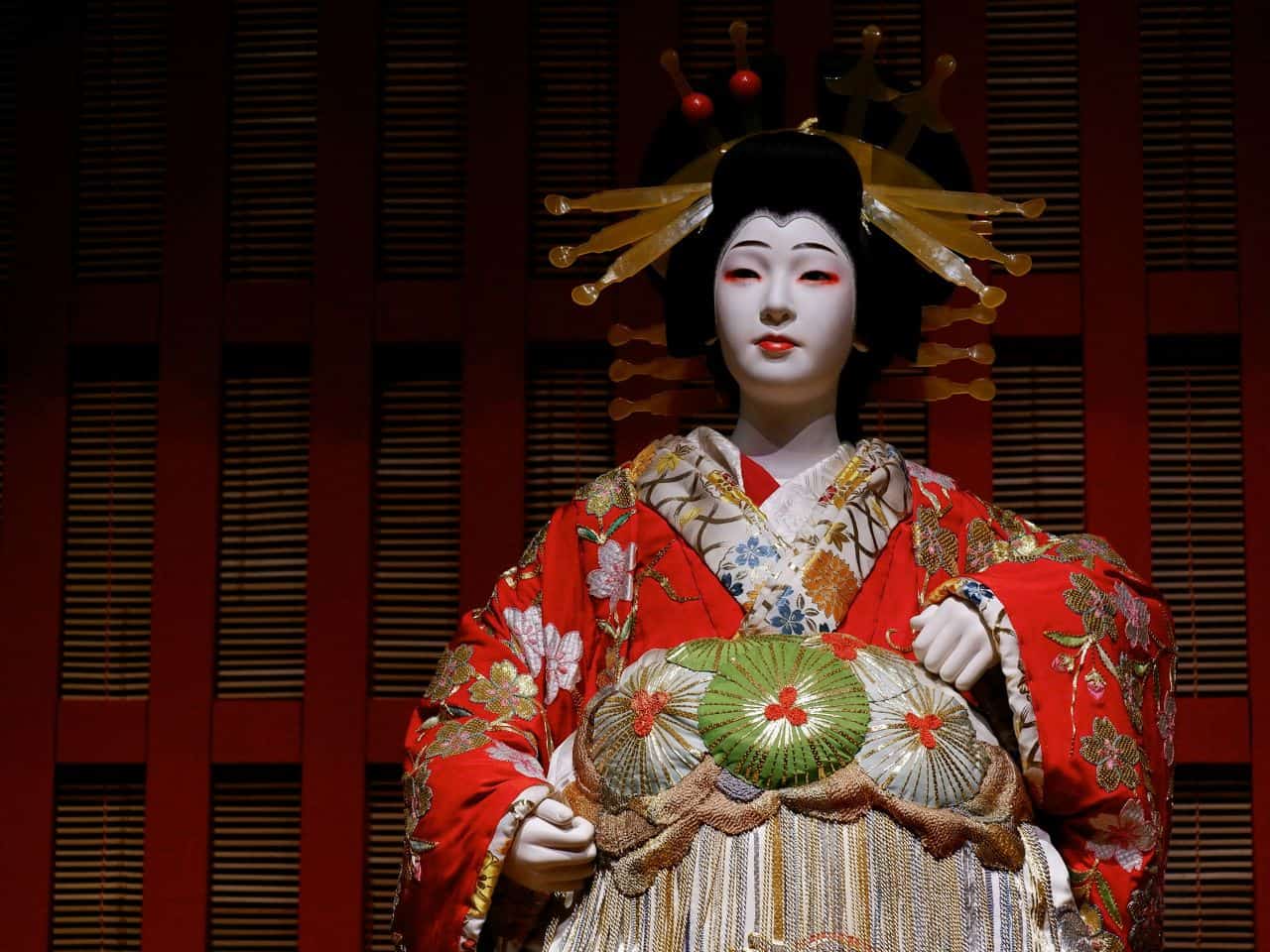
The Exploration of Japan’s History Museums
Tokyo
Our tale begins in Tokyo, a city that perfectly encapsulates Japan’s ability to honor its past while forging ahead into the future. The Edo-Tokyo Museum stands as a testament to this, tracing Tokyo’s journey from a humble fishing village into a bustling global metropolis.
Here, visitors can stroll through time, witnessing the city’s transformation through detailed exhibits that cover everything from the daily lives of Edo period citizens to the architectural wonders of contemporary Tokyo.
Osaka
The journey towards the heart of Japan’s rich historical narrative doesn’t stop here; it leads us towards Osaka, facilitated by the country’s renowned railway system.
This leg of the trip symbolizes a bridge between epochs, offering a smooth passage to another layer of Japan’s dense historical fabric.
From Osaka, our exploration takes us next to Kyoto, continuing the connection of Japan’s storied past through the Osaka to Kyoto train, enhancing the journey across both time and space.
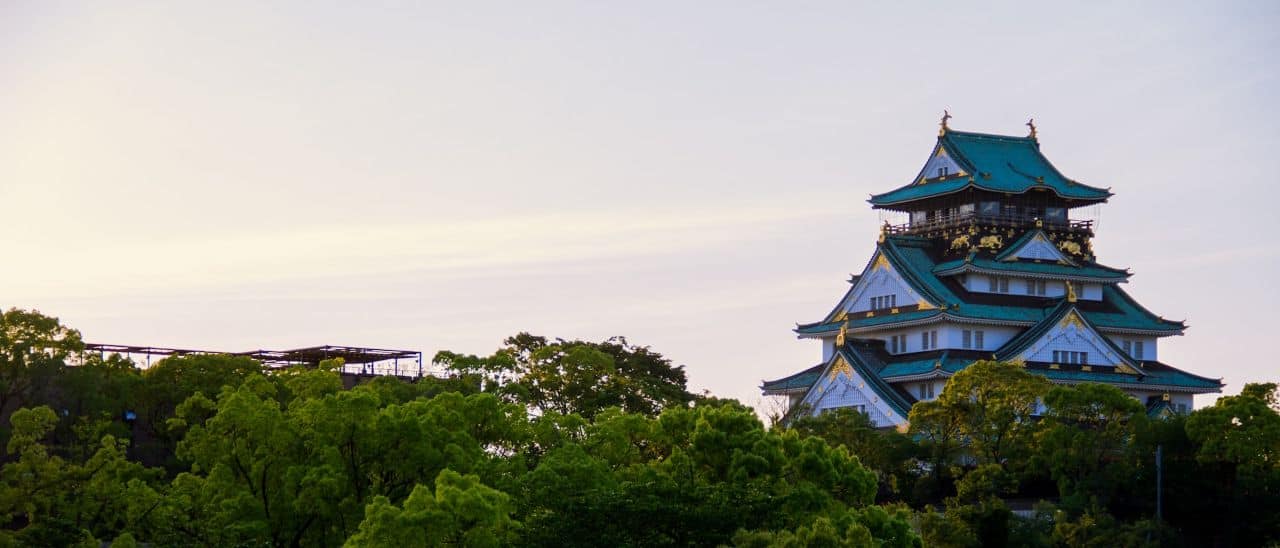
Upon arrival in Osaka, a city celebrated for its culinary delights and modern architecture, one discovers that its historical roots are equally captivating. This discovery is made possible by the journey on the train from Tokyo to Osaka, which links the two cities in a showcase of Japan’s efficient railway system.
The Osaka Museum of History, located near the majestic Osaka Castle, provides an immersive experience of the city’s long and varied past.
The museum’s displays narrate the story of Osaka’s emergence as a vital economic center in the Edo period and its rebirth following the destruction of World War II, offering visitors a panoramic view of history against the backdrop of the castle and the city beyond.
Kyoto
The journey then takes us towards Kyoto, bridging the contemporary allure of Osaka with the timeless elegance of a city that served as Japan’s imperial capital for over a millennium. Kyoto, with its array of history museums, serves as a custodian of Japan’s cultural heritage.
The Kyoto National Museum, with its extensive collection of art and historical artifacts, highlights the artistic mastery that has defined Japanese culture through the ages.
Meanwhile, the Ryozen Museum of History provides an intimate look at the Bakumatsu period, detailing the epoch’s significant figures and events that paved the way for the Meiji Restoration and the modernization of Japan.
Navigating through Japan’s rich historical landscape, from the urban energy of Tokyo to the historic tranquility of Kyoto, illustrates the nation’s remarkable journey through time. The rail journeys between these cities, emblematic of Japan’s technological advancements, offer a convenient and eco-friendly way to traverse the country’s vast historical and geographical expanse.
These trips not only connect the dots between Japan’s major historical centers but also symbolize the passage from one era to another, bringing the storied past of Japan into the present day for all who travel their routes.
Through the lens of Japan’s history museums, we gain insight into the enduring legacy of a nation that has witnessed profound transformations. These institutions not only tell the story of Japan’s past but also invite visitors to ponder the interplay between tradition and modernity that characterizes the country’s journey.
From the valor of the samurai to the innovation of the digital age, Japan’s history is a narrative of resilience, creativity, and the perpetual quest for harmony. The museums stand as guardians of this legacy, providing a bridge to the past and a reflection on the path that has led to today’s Japan.
Nara
Beyond the bustling cities and their historical repositories, Japan’s rich history permeates even the smallest of towns and the most serene landscapes, offering a broader canvas of cultural exploration. The town of Nara, once the capital of Japan before Kyoto, presents another chapter in Japan’s extensive historical narrative.
Here, the Nara National Museum, nestled amidst the tranquil beauty of Nara Park with its free-roaming deer, houses a vast collection of Buddhist art, reflecting the deep spiritual roots and artistic achievements of ancient Japan.
This setting provides a stark contrast to the metropolitan museums, highlighting the spiritual and natural elements that have shaped Japanese culture and aesthetics over the centuries.
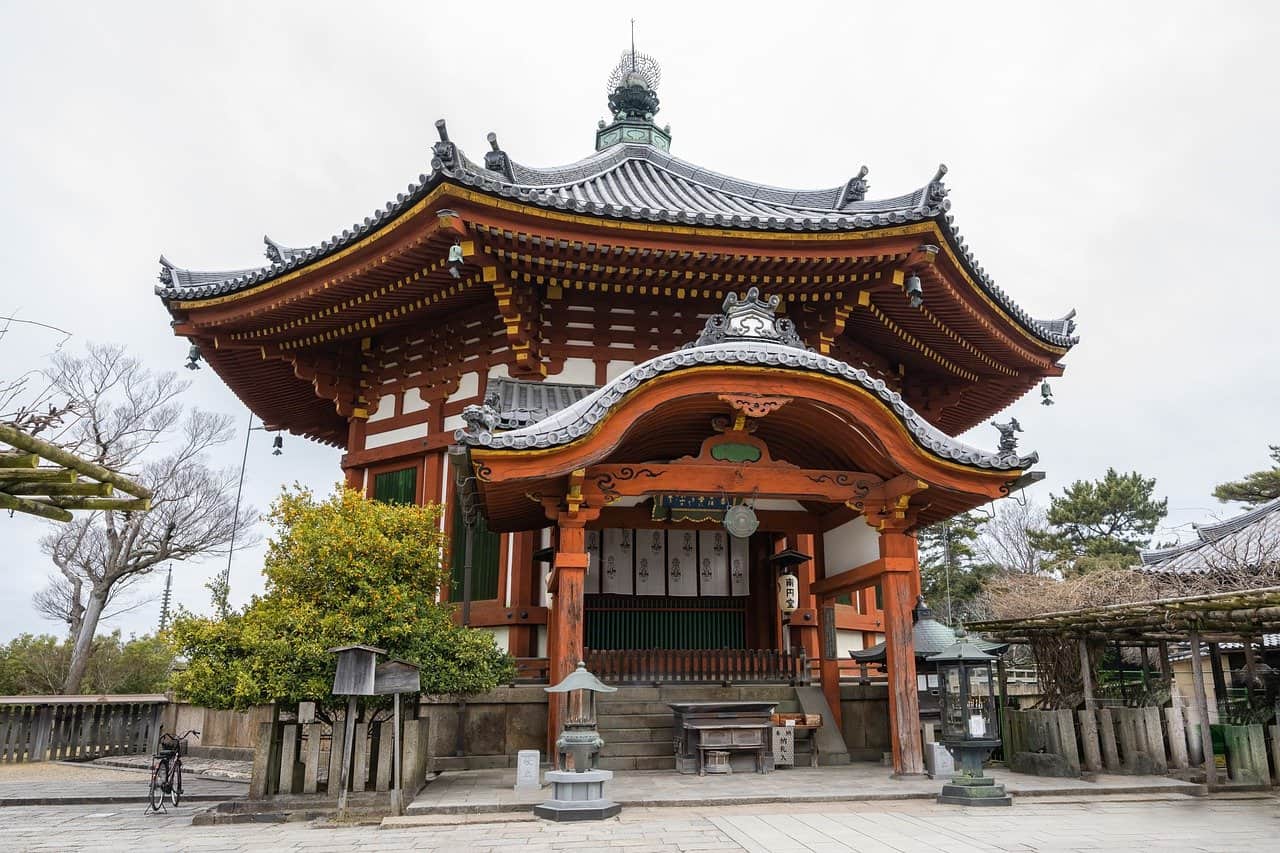
Shirakawa-go and Gokayama
Further exploration leads us to the rugged coasts and verdant mountains of Japan’s rural regions, where history is etched into the landscape itself. The villages of Shirakawa-go and Gokayama, recognized as UNESCO World Heritage sites, offer a glimpse into the traditional way of life preserved through their famous gassho-zukuri farmhouses.
These architectural marvels, designed to withstand heavy snowfall, speak volumes about the ingenuity and resilience of Japan’s rural communities.
Visiting these villages allows travelers to step back in time, experiencing the harmonious relationship between humans and nature that is a recurrent theme in Japan’s history.
Hokkaido
Lastly, the island of Hokkaido offers a different historical perspective, showcasing the pioneering spirit of the Meiji era’s development projects. The Historical Village of Hokkaido (Kaitaku-no Mura) in Sapporo brings to life the frontier days of the island’s colonization, with restored buildings and exhibits that narrate the challenges and triumphs of Japan’s northernmost pioneers.
This museum not only showcases the architectural and cultural diversity of Japan but also highlights the nation’s expansionist period, offering insights into the social and economic drivers that shaped modern Japan.
Each of these locations contributes to the mosaic of Japan’s historical landscape, offering diverse narratives that, together, form a comprehensive picture of the country’s past. From the spiritual depths of Nara’s ancient temples to the architectural ingenuity of mountain villages and the pioneering spirit of Hokkaido, Japan’s history is a multifaceted saga of human endeavor, natural harmony, and artistic excellence.
These stories, preserved in the nation’s museums and historical sites, beckon travelers to delve deeper, encouraging a profound appreciation for the complexities and beauty of Japan’s heritage.

In Conclusion
In conclusion, through our exploration of Japan’s rich historical landscape, it becomes evident that the country’s history museums are not merely repositories of the past but vibrant storytellers that weave the fabric of Japanese culture and identity.
These institutions serve as a testament to Japan’s enduring legacy, charting a course through the nation’s history that is as intricate as it is profound. From the bustling metropolis of Tokyo, through the historical heart of Osaka, to the serene and culturally soaked streets of Kyoto, each museum visited has offered a unique lens through which to view the tapestry of Japan’s past.
The journey across Japan, facilitated by the seamless integration of its world-renowned railway system, has not just been a physical traversal but a voyage through time. It highlighted the juxtaposition of Japan’s deeply rooted traditions against the backdrop of its rapid modernization, a theme that resonates within the walls of each museum and the stories they hold.
These stories, of samurais and shoguns, of artists and innovators, of ordinary people living through extraordinary times, come together to paint a picture of a nation that has navigated the ebb and flow of history with resilience and grace.
As we conclude this narrative journey, the profound impact of Japan’s history museums in preserving and presenting the nation’s heritage becomes abundantly clear. They stand as beacons of knowledge, inviting visitors from around the globe to delve into the depths of Japan’s historical, cultural, and artistic achievements.
Through their collections, exhibits, and educational programs, these museums not only safeguard the past for future generations but also inspire a deeper appreciation for the rich cultural fabric that makes Japan uniquely captivating.
In the end, the exploration of Japan’s history museums is a journey that extends beyond the confines of time and space, offering a gateway into the heart of Japanese civilization and its timeless tales.