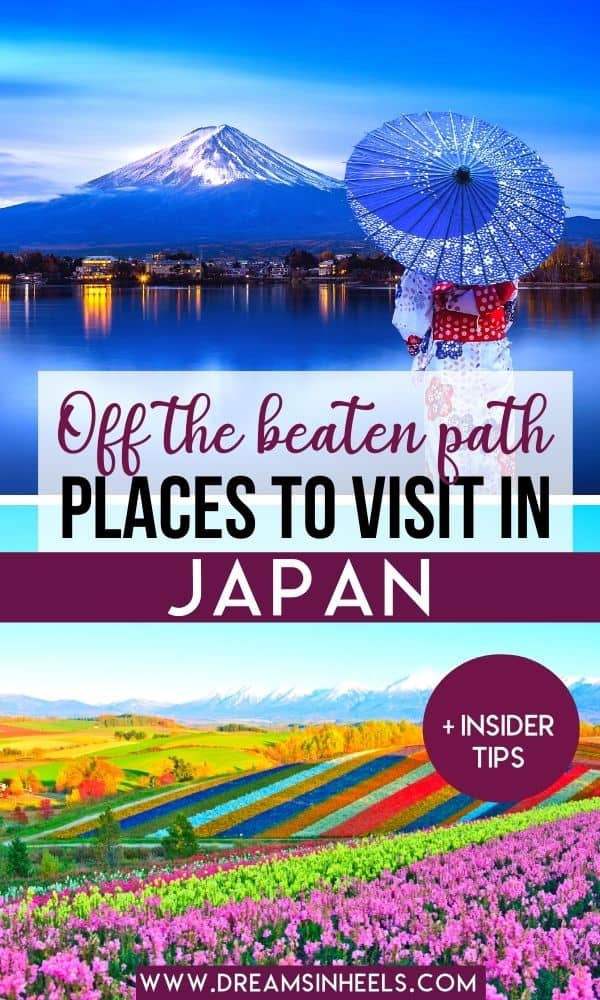

While Japan outside its biggest cities might seem uninviting, this couldn’t be further from the truth. You can and should explore off the beaten path Japan—even if you’ve only ever been to Tokyo before.
This is not to say, of course, that visiting unique places in Japan is without its challenges. From the ever-present language barrier, to less frequent services on slower trains, it takes commitment (and, quite often, patience) to include Japan’s less typical reaches in your itinerary.
It pays off, however, whether you string together a collection of small cities in Japan, or focus instead on natural attractions or the sights off Japan in the off-season. Here are some spots where you can get to know the real Japan.
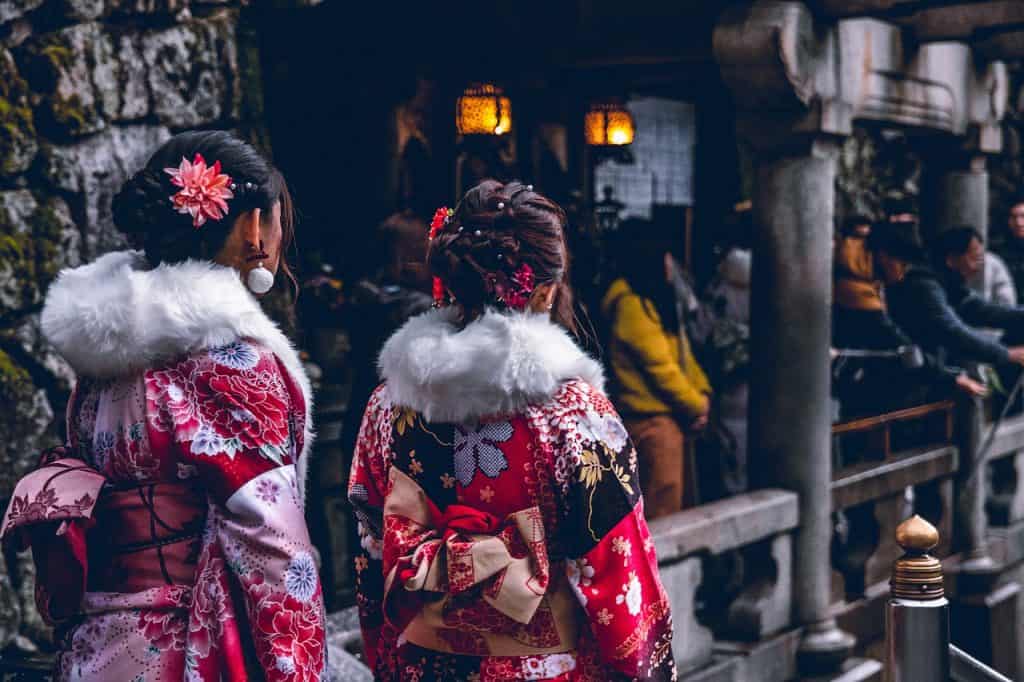
Off The Beaten Track Japan: Why to Venture off Japan’s Beaten Path
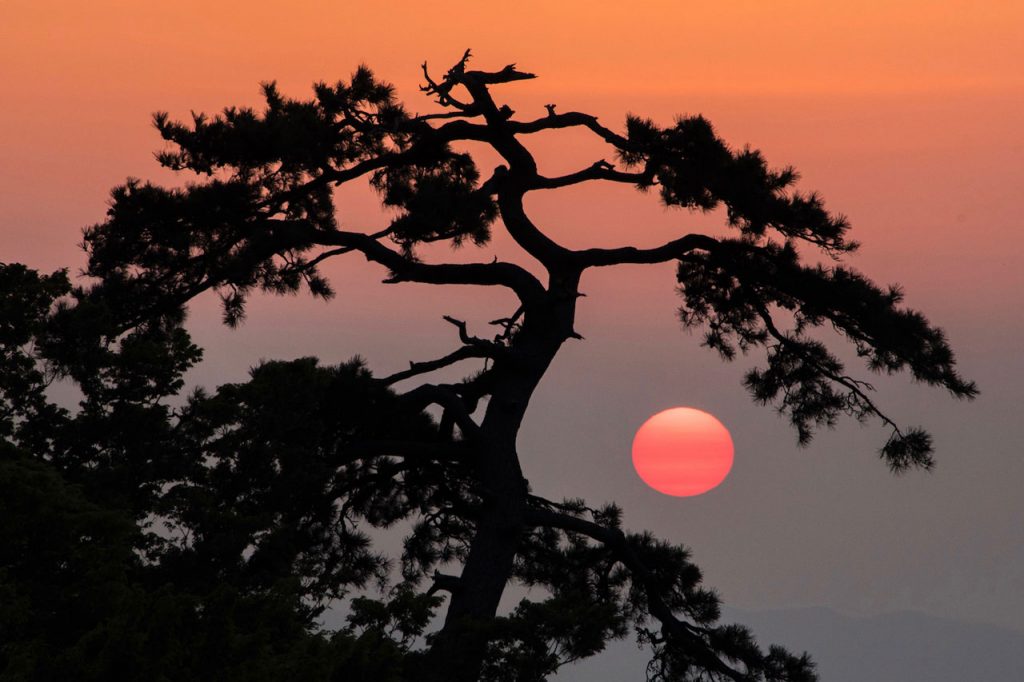
As I mentioned in the introduction to this piece, it’s tempting to think that off the beaten path Japan destinations are only for experienced travelers. Why, for example, would you want to visit Kanazawa if you haven’t been to Kyoto yet? What’s the sense of going to Hokkaido if Hiroshima is still on your bucket list? The answers to this are many—I could write an entire post, just on the underlying logic—but they boil down to a couple of factors.
First, creating a unique Japan itinerary filled with places you might never have heard of means you’ll have extremely low expectations. Another way to put this is that you’ll constantly be surprised and amazed, which might not happen if you’re in Nikko or Osaka trying to replicate others’ Instagram posts. Secondly, since such a large majority of Japan travels do stay on the tourist trail, you’ll have many of the destinations I’m about to list to yourself, more or less.
Unique Regions to Visit in Japan
Hokkaido
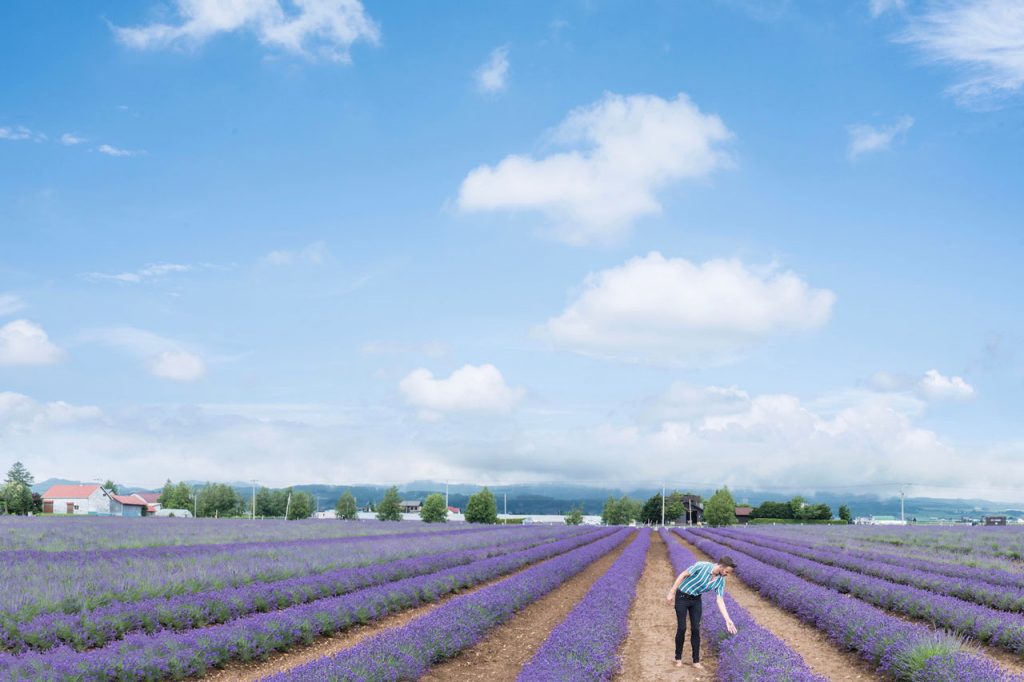
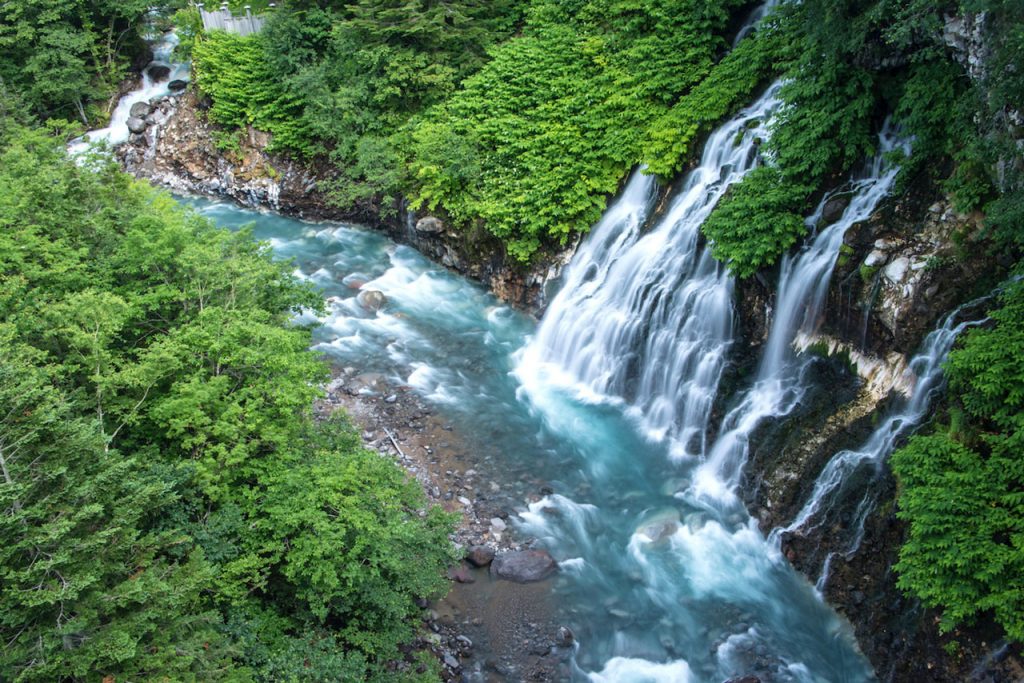
If you’re a skier, then Hokkaido (particularly the ski resort of Niseko) is not an especially unique destination. On the other hand, if you plan to take a Hokkaido summer road trip, whether amid the lavender fields of Furano, overlooking fluorescent Shirahige Waterfall or bathing in the waterfront hot springs hotels near Lake Toya, Japan’s northernmost island can bear surprising treasures indeed.
This is likewise true during spring, when star-shaped Goryokaku fort fills with cherry blossoms, or at Daisetsuzan National Park during the blazing autumn.
You might also like: Unique Experiences in Japan
Kyushu
Some of Kyushu‘s larger cities are not what you would call off the beaten path Japan—namely Fukuoka (its largest) and famous Nagasaki. On the other hand, many destinations on this island in southwestern Japan are extraordinary and unexpected, from the volcanic vents of Mt. Aso to the bubbling baths of Beppu, and from the Samurai villages of the Satsuma Peninsula to the ancient cedar forests of Yakushima island. As a general rule, the farther off the Shinkansen line you wander, the more rewarding Kyushu is.
San’in
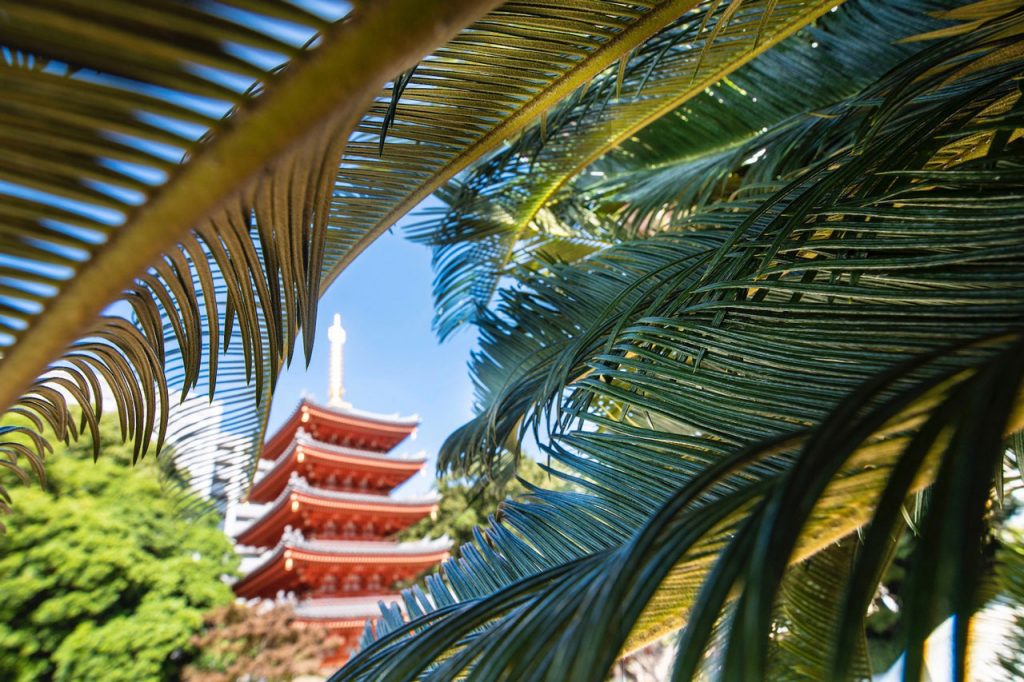
San’in is undoubtedly among the most interesting places in Japan. The northern sliver of Chugoku, the westernmost section of Honshu island where you find Hiroshima (which is in San’yo, the southern slice), San’in is a land of treasure.
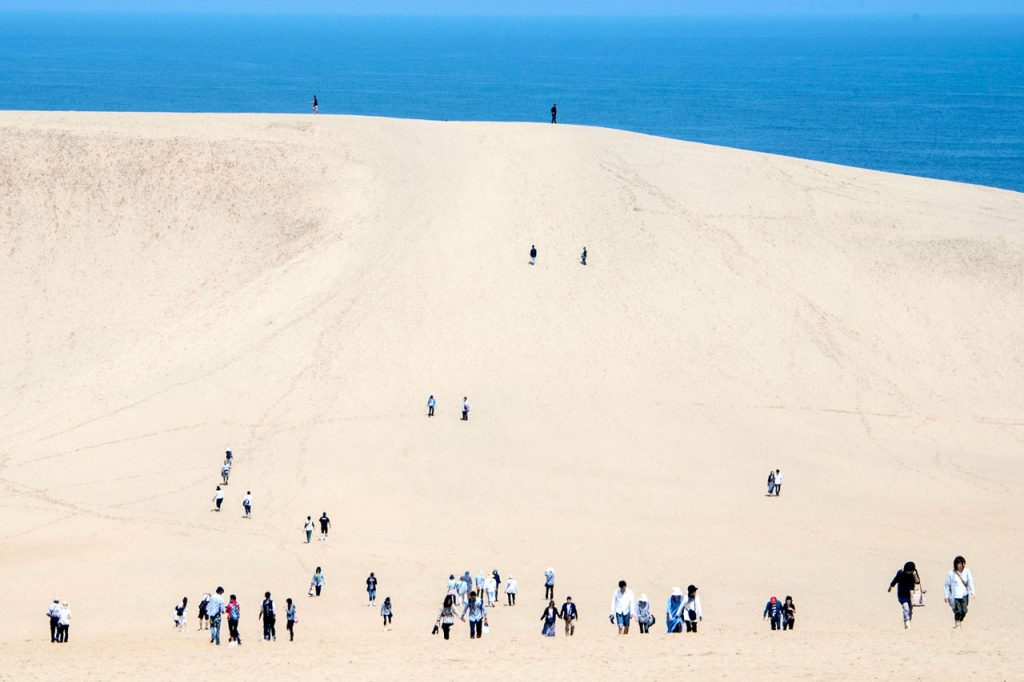
Start in Tottori prefecture, whether at its mysterious seaside sand dunes or atop Mt. Daisen. Explore mysterious Matsue Castle and the spiritual Izumo Shrine, or visit Adachi Museum of Art, whose garden the building frames as if it’s a painting. Another can’t-miss spot is Motonosumi Inari Shrine, whose vermillion gates clash enchantingly with the cobalt Sea of Japan.
Read This: The best places to visit in Taiwan
Shikoku
Another amazing place to discover off the beaten path Japan is Shikoku. The smallest and least visited of Japan’s main islands, Shikoku nonetheless enjoys good connectivity with Honshu—you can choose to enter from Osaka or Okayama.
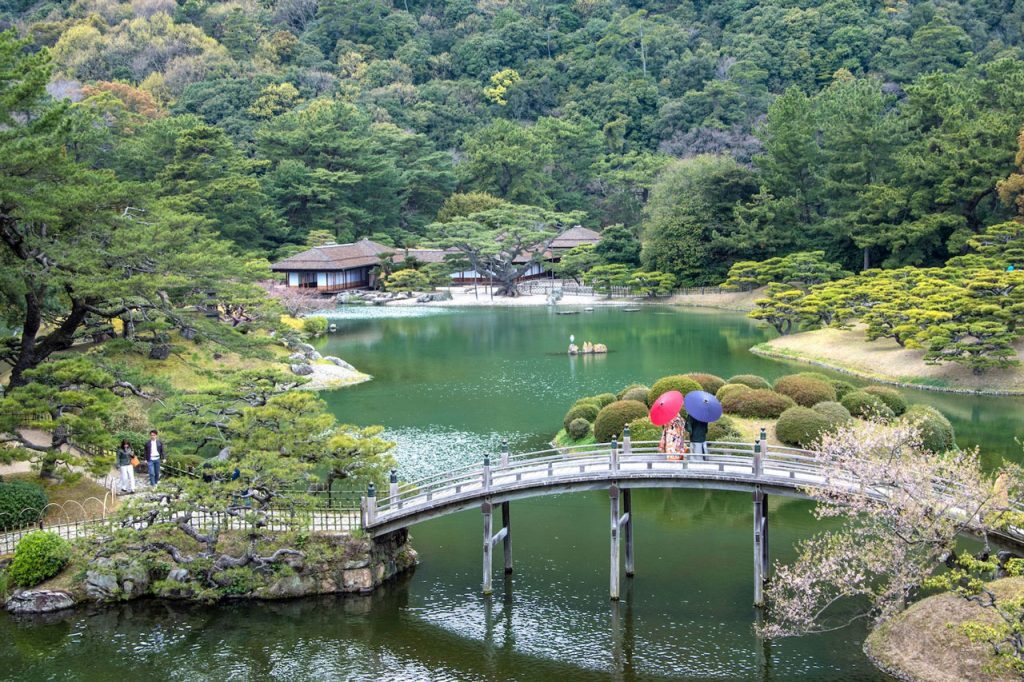
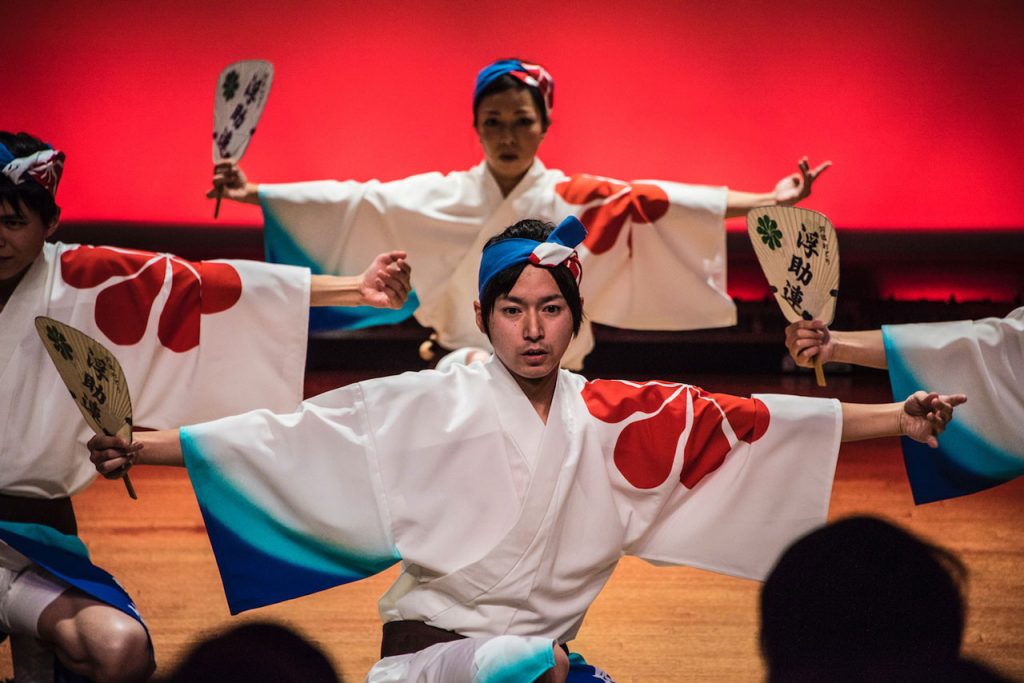
Once on Shikoku, divide your time evenly between its four main cities: Tokushima and its ancient dance traditions; the castle cities of Kochi and Matsuyama; and Takamatsu, whose 17th-century Ritsurin Garden is among the most beautiful in Japan. Shikoku is also home to wild nature (namely, Iya Valley) and is a great jumping-off point for visits to Naoshima Art Island.
Tohoku
For me, Tohoku is what I expected Hokkaido to be. Or maybe what I hoped it would be: Incredible and dramatic scenery, but plenty of culture and history as well. The northernmost part of Honshu, which occupies most of Japan between Tokyo and Hokkaido, Tohoku is home to many great cities, include Sendai, Morioka and Aomori.
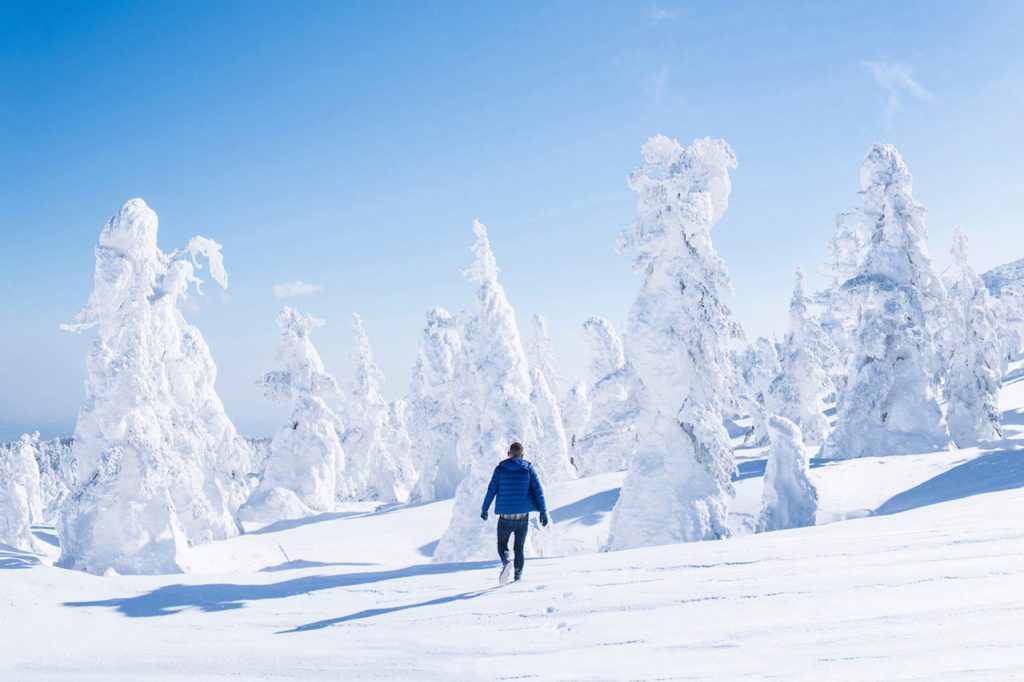
However, the true magic of Tohoku lies in nature, whether at Lake Towada (the deepest volcanic lake in Japan), mysterious Tsuru no Yu onsen in the mountains of Akita prefecture or atop Mt. Zao, whose so-called “Snow Monsters” loom dramatically against the winter sky.
RECOMMENDED: Essential things to know before visiting Vietnam
When You Visit Matters: The Best time to Visit Japan
To most travelers, the best time to visit Japan falls during one of two periods of the year. The gorgeous cherry blossom season, which begins in late March in southern Japan and continues into the first or second week of May in Hokkaido, is the most popular time to visit Japan, and deservedly so.
Japan’s autumn, meanwhile, gets into its most colorful swing during the months of October and November, depending on where you want to go, although it’s as overcrowded as it is overwhelming in its beauty.
Whether or not your choice of destinations take you off the beaten path, Japan is at its most unique at the times you least expect it. Traveling to Japan during the dead of winter (assuming you aren’t at a busy ski resort such as Niseko or Nozawa) allows you to appreciate the icy tranquility of the country with minimal fellow tourists around.
I don’t recommend Japan’s rainy summer, for the most part, but the “shoulder” months of May and September are nice breather periods during which to visit.
Practical Tips for Off the Beaten Path Japan
Speaking English in Japan is never extremely easy, and this is unfortunately truer the farther off the beaten path you wander. With this being said, you don’t necessarily need to be fluent in Japan to visit secondary and tertiary destinations, though being able to say some basic Japanese phrases is good, if only as a matter of courtesy.
These, combined with English skills Japanese people were building up in anticipation of the now-delayed Tokyo 2020 Olympic Games, should be enough to get by.
Another important practical consideration is getting around. While your Japan Rail Pass (assuming you have one) is good for travel on any JR-operated train in Japan, its great utility is for expensive Shinkansen bullet trains, which travel through Tohoku and to Hokkaido and Kyushu, but not to San’in or Shikoku.
In these latter two regions (and even in the other three, away from main cities), you can anticipate slower trains with less frequent service—you might even need to consider renting a car.
The Bottom Line
Even if you’ve never considered going off the beaten path, Japan arguably only begins where the tourist trail ends. For some travelers, this involves visiting unique destinations, from the underrated San’in and Tohoku regions, to secondary islands such as Hokkaido, Kyushu and Shikoku. In other instances, and regardless of the destination, visiting Japan during unique times of year (might I recommend the underrated winter season?) allows you to see even cliché attractions in a new and enchanting late. No matter which approach you end up taking, you’ll soon understand why Japan’s official tourism slogan—endless discovery—is an understatement, if anything.
Robert Schrader has been addicted to Japan since he first visited during cherry blossom season almost a decade ago. In 2018, after dozens of subsequent trips, he created Japan Starts Here as a hub of information—and inspiration—about the country. When you’re done checking out the site, do make sure to follow Japan Starts Here on Instagram.
This is a post by guest contributor Robert from the blog Japan Starts Here.
Author’s Bio: Robert Schrader has been addicted to Japan since he first visited during cherry blossom season almost a decade ago. In 2018, after dozens of subsequent trips, he created Japan Starts Here as a hub of information—and inspiration—about the country. When you’re done checking out the site, do make sure to follow Japan Starts Here on Instagram.
Enjoyed Reading? Save it for later on Pinterest!